
In Martinique, they use Type C, D, and E power plugs and outlets. The voltage is 220V, and the frequency is 50Hz.
⚠️ So, you’ll need a travel adapter in Martinique. Their plugs and outlets are different from the Type A and B ones we use back in the States.
Quick Overview of the Plugs in Martinique:
- Plug type in Martinique: C, D, and E
- Standard voltage: 220V
- Frequency: 50Hz
- Need a travel adapter? Yes, you do need a travel adapter
- Need a voltage converter? Some gadgets will probably need it
- Recommended plug adapter: Vintar Universal Travel Adapter Kit
We rely on official power regulations, international IEC standards, and real-world traveler feedback to keep our information accurate and trustworthy.
Power Outlets in Martinique
In Martinique, they use Type C, D, and E power plugs and outlets.
Type C

Type C outlets have two round prongs and no grounding pin. Type E and F plugs usually fit too, but grounded plugs will need an adapter.
Type D

Type D outlets have three large round prongs in a triangular layout and typically only accept Type D plugs, although Type C plugs might fit loosely and are not recommended for safe use.
Type E

Type E outlets have two round prongs and a grounding pin at the top. Type C and F plugs will also fit.
The Only Travel Adapter You’ll Need in Martinique
Nothing kills the excitement of a trip faster than a dead phone or a broken charger. We don’t sell travel adapters, but we’ve handpicked the best one for Martinique—ensuring it’s reliable, safe, and compatible with the local outlets. No surprises, no frustrations—just power when you need it. Check it out here:

Forgetting your power adapter isn’t ideal, but it’s not the end of the trip. Chances are, you’ll still find one nearby. Still, packing one in advance means you’re ready to plug in the moment you land.
People visiting Martinique often combine their trip with Dominica, Saint Lucia, and Guadeloupe. Check which plugs you’ll need before you go.
Do You Need a Voltage Converter?
You’ll probably need a voltage converter in Martinique since your device’s voltage has to match the local power supply. In the U.S., we use 120V, but Martinique operates on a different voltage, so a converter is required.
Before packing your electronics for a trip, always check the voltage label. If it says “100-240V, 50/60 Hz”, your device is compatible with different voltage systems and doesn’t need a converter. This applies to phones, tablets, laptops, cameras, and rechargeable toothbrushes.

Which Travel Devices May Need a Converter?
Looking for a solid voltage converter? These highly rated options are a good place to start.
| Device | Need Converter? | Notes |
|---|---|---|
| Phone | ❌ No (usually) | Most modern phone chargers are dual voltage (100–240V) |
| Laptop | ❌ No (usually) | Check the power brick label for 100–240V |
| Hairdryer | ✅ Yes (often) | High wattage; many models are not dual voltage |
| Electric toothbrush | ⚠️ Check voltage | Some models are 110V only |
| Camera / DSLR | ❌ No (usually) | Most chargers are dual voltage |
| Power bank | ❌ No | Charges via USB, adapter is enough |
| Electric shaver / trimmer | ⚠️ Check voltage | Older or cheaper models may not support 230V |
| Tablet / iPad | ❌ No | All models are dual voltage |
| Portable fan | ✅ Yes (sometimes) | Many models are not compatible with 230V |
| Game console | ⚠️ Check voltage | Newer consoles like PS5 and Xbox are often dual voltage — check to be sure |
| Bluetooth speaker | ❌ No (usually) | Charges via USB |
| E-reader (Kindle, etc.) | ❌ No | USB charging only, no converter needed |
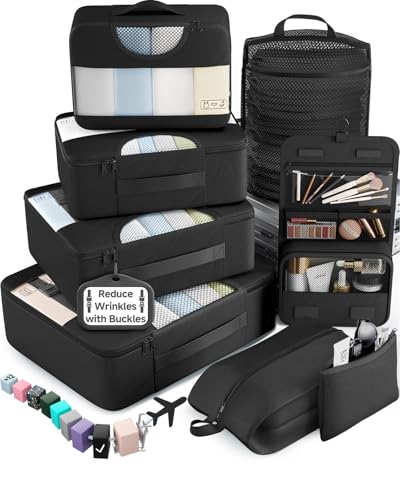
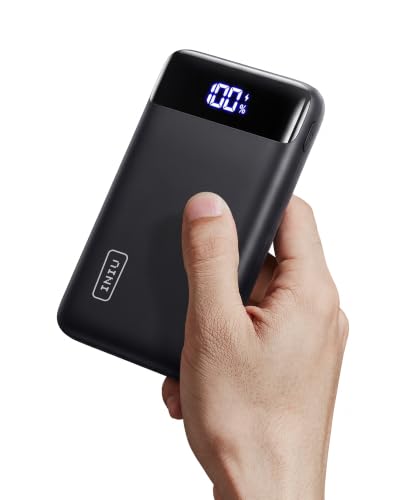
Top Travel Essentials to Pack
A few small extras can make a big difference while you’re abroad. These practical tools help you stay organized and avoid last-minute stress.

More About Martinique
Martinique isn’t your average Caribbean island—it’s French, tropical, and full of surprises. You can drive from black sand beaches in the north to white sand in the south in just a couple of hours. But don’t rush it. Along the way, you’ll pass through fishing villages, rainforest trails, sugarcane fields, and colorful markets full of fresh fruit and local rum. It’s like getting Europe and the Caribbean in one shot.
The island is known for its rum—some of the best in the world is made right here. You can tour historic distilleries that date back to the 1800s, and yes, tastings are usually included. Martinique also has a strong cultural identity: Creole music, dance, food, and festivals are everywhere. It’s not just about beach lounging—this island has rhythm, flavor, and a whole lot of soul.
What surprises most people is how diverse the scenery is. There’s a volcano in the north (Mount Pelée), lush jungle in the center, and flat dry areas in the south. Whether you’re into hiking, snorkeling, food, history, or just good weather and great views, Martinique checks all the boxes. It’s one of those places that’s easy to visit, but hard to forget.
Top places to visit in Martinique: Fort-de-France, Les Trois-Îlets, Sainte-Anne, Le Marin, and Saint-Pierre.