
In Saint-Pierre, they use Type C, D, and E power plugs and outlets. The voltage is 220V, and the frequency is 50Hz.
⚠️ So, you’ll need a travel adapter in Saint-Pierre. Their plugs and outlets are different from the Type A and B ones we use back in the States.
Quick Overview of the Plugs in Saint-Pierre (Martinique):
- Plug type in Saint-Pierre (Martinique): C, D, and E
- Standard voltage: 220V
- Frequency: 50Hz
- Need a travel adapter? Yes, you do need a travel adapter
- Need a voltage converter? Some devices need it, others don’t
- Recommended plug adapter: Vintar Universal Travel Adapter Kit
Our details are verified through official power guidelines, international IEC standards, and practical insights from travelers around the world.
Power Outlets in Saint-Pierre (Martinique)
In Saint-Pierre, they use Type C, D, and E power plugs and outlets.
Type C

Type C outlets have two round prongs and no grounding pin. Type E and F plugs usually fit too, but grounded plugs will need an adapter.
Type D

Type D outlets have three large round prongs in a triangular layout and typically only accept Type D plugs, although Type C plugs might fit loosely and are not recommended for safe use.
Type E

Type E outlets have two round prongs and a grounding pin at the top. Type C and F plugs will also fit.
The Only Travel Adapter You’ll Need in Saint-Pierre (Martinique)
Traveling to Saint-Pierre? You’ll need the right adapter to keep your devices powered up. We don’t sell them, but we’ve done the research so you don’t have to. Here’s the best one:

You won’t be completely stuck without a power adapter—there are usually options once you arrive. But the smart move is still to bring your own, so you’re not relying on whatever’s available.
Saint-Pierre travelers often include nearby islands like Guadeloupe, Dominica, or Saint Lucia. Make sure you’ve got the right travel adapter.
Do You Need a Voltage Converter?
In Saint-Pierre, the power supply operates on a different voltage than the U.S. standard of 120V, so a voltage converter is likely required for your devices to work properly.
Always check your device’s power label before traveling. If it says “100-240V, 50/60 Hz”, your device can handle different voltages worldwide without needing a converter. This applies to most laptops, tablets, cameras, phones, and rechargeable personal care devices.

Which Travel Devices May Need a Converter?
Want peace of mind while traveling? These top-rated voltage converters are a safe bet.
| Device | Need Converter? | Notes |
|---|---|---|
| Phone | ❌ No (usually) | Most modern phone chargers are dual voltage (100–240V) |
| Laptop | ❌ No (usually) | Check the power brick label for 100–240V |
| Hairdryer | ✅ Yes (often) | High wattage; many models are not dual voltage |
| Electric toothbrush | ⚠️ Check voltage | Some models are 110V only |
| Camera / DSLR | ❌ No (usually) | Most chargers are dual voltage |
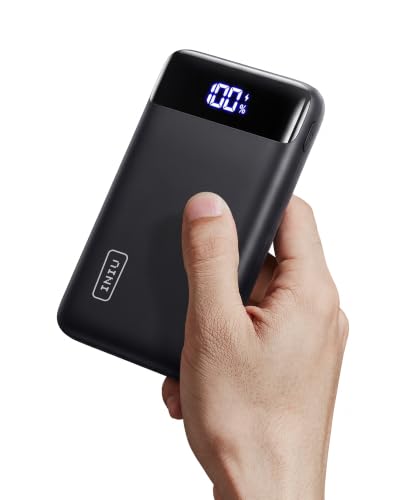
| Power bank | ❌ No | Charges via USB, adapter is enough |
| Electric shaver / trimmer | ⚠️ Check voltage | Older or cheaper models may not support 230V |
| Tablet / iPad | ❌ No | All models are dual voltage |
| Portable fan | ✅ Yes (sometimes) | Many models are not compatible with 230V |
| Game console | ⚠️ Check voltage | Newer consoles like PS5 and Xbox are often dual voltage — check to be sure |
| Bluetooth speaker | ❌ No (usually) | Charges via USB |
| E-reader (Kindle, etc.) | ❌ No | USB charging only, no converter needed |
Top Travel Essentials to Pack
Some items are worth their spot in your bag. These travel-friendly tools are small, light, and surprisingly useful.


More About Saint-Pierre (Martinique)
Saint-Pierre was once called the “Paris of the Caribbean”—and for good reason. It had theaters, boulevards, cafés, and even electricity before some big cities in the U.S. But in 1902, Mount Pelée erupted and wiped the whole place out in under two minutes. Nearly 30,000 people died, and only a handful survived. Today, the ruins are still there, like the shell of the old theater and jail, giving the town this haunting, powerful vibe.
What makes Saint-Pierre special isn’t just the history—it’s how that history is blended into everyday life. You’ll find cafés and beach spots right next to old lava-covered walls. The black sand beaches here were formed by the eruption, so yeah, the ground you’re walking on is literally part of the island’s most intense moment. There’s even a volcano museum where you can see melted glass bottles and deformed tools pulled from the wreckage.
It’s also a great place for diving—there are shipwrecks right off the coast from boats that were in the harbor when the volcano blew. Whether you’re into history, photography, or just want to stand somewhere with serious atmosphere, Saint-Pierre is not your average beach town. It’s got layers—and it’s one of those places that sticks with you long after you leave.
Saint-Pierre uses the same plugs and outlets as the rest of Martinique.