
In Le Marin, they use Type C, D, and E power plugs and outlets. The voltage is 220V, and the frequency is 50Hz.
⚠️ So, you’ll need a travel adapter in Le Marin. Their plugs and outlets are different from the Type A and B ones we use back in the States.
Quick Overview of the Plugs in Le Marin:
- Plug type in Le Marin: C, D, and E
- Standard voltage: 220V
- Frequency: 50Hz
- Need a travel adapter? Yes, you do need a travel adapter
- Need a voltage converter? Your device’s label tells the story
- Recommended plug adapter: Vintar Universal Travel Adapter Kit
This content is verified through local electrical regulations, international IEC standards, and practical input from travelers who’ve been there.
Power Outlets in Le Marin
In Le Marin, they use Type C, D, and E power plugs and outlets.
Type C

Type C outlets have two round prongs and no grounding pin. Type E and F plugs usually fit too, but grounded plugs will need an adapter.
Type D

Type D outlets have three large round prongs in a triangular layout and typically only accept Type D plugs, although Type C plugs might fit loosely and are not recommended for safe use.
Type E

Type E outlets have two round prongs and a grounding pin at the top. Type C and F plugs will also fit.
The Only Travel Adapter You’ll Need in Le Marin
Not all travel adapters work in Le Marin. Pick the wrong one, and your devices might not charge at all. We don’t sell them, but we’ve researched the best one for you—safe, durable, and easy to use:

It’s not great to realize you forgot your power adapter, but it’s also not a disaster. You can usually find one once you arrive. Still, the smoother option is to bring one with you—especially if you want one that lasts.
Le Marin travelers frequently explore Saint Lucia, Guadeloupe, or Dominica. Plug types can vary slightly.
Do You Need a Voltage Converter?
Your electronics must match the voltage of the country you’re visiting, and in Le Marin, the voltage is different from the 120V we use in the U.S. That means you’ll probably need a converter.
Always double-check the label on your device before using it abroad. If it shows “100-240V, 50/60 Hz”, your device is dual voltage and works on both 120V and 220-240V power sources without a converter. This is common for laptops, tablets, smartphones, cameras, and electric toothbrushes.

Which Travel Devices May Need a Converter?
Don’t want to guess which converter works? Here are the best-reviewed ones worth checking out.
| Device | Need Converter? | Notes |
|---|---|---|
| Phone | ❌ No (usually) | Most modern phone chargers are dual voltage (100–240V) |
| Laptop | ❌ No (usually) | Check the power brick label for 100–240V |
| Hairdryer | ✅ Yes (often) | High wattage; many models are not dual voltage |
| Electric toothbrush | ⚠️ Check voltage | Some models are 110V only |
| Camera / DSLR | ❌ No (usually) | Most chargers are dual voltage |
| Power bank | ❌ No | Charges via USB, adapter is enough |
| Electric shaver / trimmer | ⚠️ Check voltage | Older or cheaper models may not support 230V |
| Tablet / iPad | ❌ No | All models are dual voltage |
| Portable fan | ✅ Yes (sometimes) | Many models are not compatible with 230V |
| Game console | ⚠️ Check voltage | Newer consoles like PS5 and Xbox are often dual voltage — check to be sure |
| Bluetooth speaker | ❌ No (usually) | Charges via USB |
| E-reader (Kindle, etc.) | ❌ No | USB charging only, no converter needed |
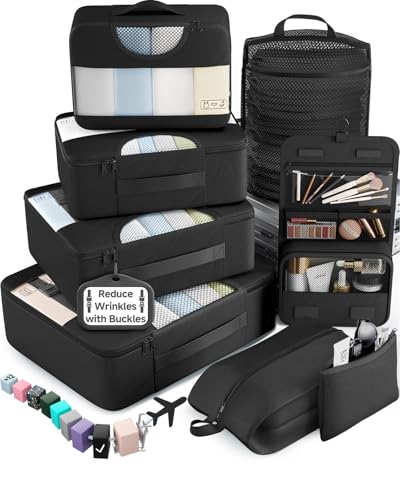
Top Travel Essentials to Pack
With a few key extras, you can avoid a lot of small travel problems. These essentials are smart to bring along.


More About Le Marin
Le Marin is the sailing capital of Martinique, and honestly, it’s hard to beat. Boats of every kind fill the marina — from mega yachts to tiny sailboats — and there’s a good chance you’ll meet a few salty sea dogs with wild stories. This isn’t a flashy resort town; it’s more low-key, more real, and that’s the charm.
It also has deep roots. The church in town dates back to the 1700s and still feels like a peaceful escape from the busy harbor. Walk a few blocks inland and you’ll hit local bakeries, produce markets, and cafés where French and Creole blend as naturally as the breeze coming off the bay.
If you’re up for a view, hike up to Morne Gommier — it’s a bit of a climb but the 360-degree view at the top is worth it. You can see the whole southern tip of the island, all the way out to the Atlantic. It’s a perfect mix: seafaring energy down below, peaceful scenery up top.
Le Marin uses the same plugs and outlets as the rest of Martinique.