
In Niger, they use Type C, D, E, and F power plugs and outlets. The voltage is 220V, and the frequency is 50Hz.
⚠️ So, you’ll need a travel adapter in Niger. Their plugs and outlets are different from the Type A and B ones we use back in the States.
Quick Overview of the Plugs in Niger:
- Plug type in Niger: C, D, E, and F
- Standard voltage: 220V
- Frequency: 50Hz
- Need a travel adapter? Yes, you do need a travel adapter
- Need a voltage converter? Might be needed depending on the device
- Recommended plug adapter: Vintar Universal Travel Adapter Kit
Our content is built on official sources, including country-specific electrical guidelines, IEC standards, and insights from real travelers who’ve experienced it firsthand.
Power Outlets in Niger
In Niger, they use Type C, D, E, and F power plugs and outlets.
Type C

Type C outlets have two round prongs and no grounding pin. Type E and F plugs usually fit too, but grounded plugs will need an adapter.
Type D

Type D outlets have three large round prongs in a triangular layout and typically only accept Type D plugs, although Type C plugs might fit loosely and are not recommended for safe use.
Type E

Type E outlets have two round prongs and a grounding pin at the top. Type C and F plugs will also fit.
Type F

Type F outlets have two round prongs and grounding clips on the sides. Type C and E plugs will also fit.
The Only Travel Adapter You’ll Need in Niger
Finding the right travel adapter for Niger can be confusing. That’s why we did the homework for you. We don’t sell them, but here’s the best one for safe, worry-free charging:

If you’re already on your way or at your destination without a power adapter, don’t stress. You can usually find one at the airport or in a local shop. Still, bringing one from home helps you avoid delays and start your trip with one less thing to worry about.
People visiting Niger often also travel to Nigeria, Mali, and Burkina Faso. Check which travel adapter you’ll need before you go.
Do You Need a Voltage Converter?
In Niger, the power supply operates on a different voltage than the U.S. standard of 120V, so a voltage converter is likely required for your devices to work properly.
Before traveling, always double-check your device’s voltage label. If it says “100-240V, 50/60 Hz”, your device is dual voltage and works worldwide without a converter. This includes most phones, laptops, tablets, cameras, and personal care devices.

Which Travel Devices May Need a Converter?
Want peace of mind while traveling? These top-rated voltage converters are a safe bet.
| Device | Need Converter? | Notes |
|---|---|---|
| Phone | ❌ No (usually) | Most modern phone chargers are dual voltage (100–240V) |
| Laptop | ❌ No (usually) | Check the power brick label for 100–240V |
| Hairdryer | ✅ Yes (often) | High wattage; many models are not dual voltage |
| Electric toothbrush | ⚠️ Check voltage | Some models are 110V only |
| Camera / DSLR | ❌ No (usually) | Most chargers are dual voltage |
| Power bank | ❌ No | Charges via USB, adapter is enough |
| Electric shaver / trimmer | ⚠️ Check voltage | Older or cheaper models may not support 230V |
| Tablet / iPad | ❌ No | All models are dual voltage |
| Portable fan | ✅ Yes (sometimes) | Many models are not compatible with 230V |
| Game console | ⚠️ Check voltage | Newer consoles like PS5 and Xbox are often dual voltage — check to be sure |
| Bluetooth speaker | ❌ No (usually) | Charges via USB |
| E-reader (Kindle, etc.) | ❌ No | USB charging only, no converter needed |
Top Travel Essentials to Pack
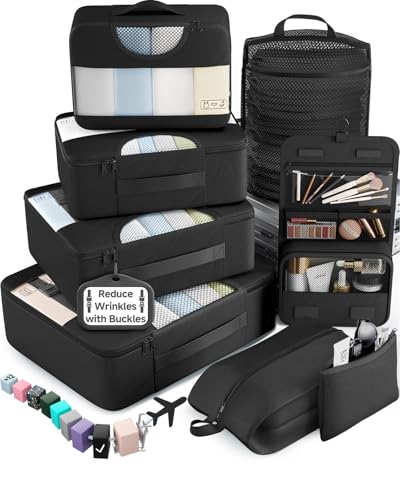
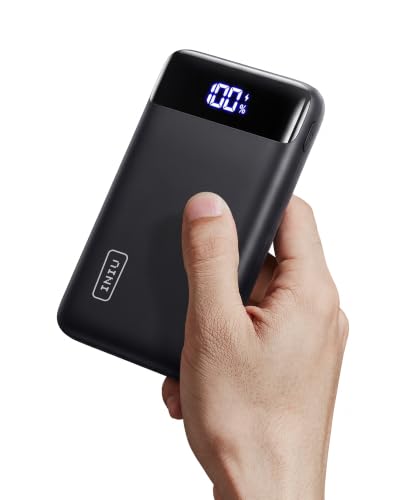
It’s always the small, useful things that make travel better. These items might not be obvious, but they sure come in handy.

More About Niger
Niger is big—really big. It’s one of the largest countries in Africa, but most of it is desert and sparsely populated. The landscapes are dramatic, from endless dunes and rocky plateaus to seasonal riverbeds that cut through dry land. Life here is shaped by the environment, and the people are experts in making a lot out of very little.
This is the heart of the Sahel, and you’ll find a mix of cultures—Tuareg, Hausa, Zarma, and more—all with their own languages, traditions, and ways of life. Traditional music, especially from the desert regions, is something special. It’s raw, rhythmic, and deeply tied to the land. Even with the challenges Niger faces, there’s real cultural richness if you take time to notice it.
Traveling in Niger isn’t easy. Many regions are off-limits due to security risks, and the infrastructure can be rough. But for seasoned travelers who want to get way off the beaten path, Niger offers something rare: authenticity. No crowds, no tourist traps—just wide-open landscapes and people who carry their history with pride.