
In Niamey, they use Type C, D, E, and F power plugs and outlets. The voltage is 220V, and the frequency is 50Hz.
⚠️ So, you’ll need a travel adapter in Niamey. Their plugs and outlets are different from the Type A and B ones we use back in the States.
Quick Overview of the Plugs in Niamey:
- Plug type in Niamey: C, D, E, and F
- Standard voltage: 220V
- Frequency: 50Hz
- Need a travel adapter? Yes, you do need a travel adapter
- Need a voltage converter? Most devices won’t need one — some might
- Recommended plug adapter: Vintar Universal Travel Adapter Kit
This page is based on verified information from local power agencies, international standards organizations such as the IEC, and feedback from travelers who’ve recently been there.
Power Outlets in Niamey
In Niamey, they use Type C, D, E, and F power plugs and outlets.
Type C

Type C outlets have two round prongs and no grounding pin. Type E and F plugs usually fit too, but grounded plugs will need an adapter.
Type D

Type D outlets have three large round prongs in a triangular layout and typically only accept Type D plugs, although Type C plugs might fit loosely and are not recommended for safe use.
Type E

Type E outlets have two round prongs and a grounding pin at the top. Type C and F plugs will also fit.
Type F

Type F outlets have two round prongs and grounding clips on the sides. Type C and E plugs will also fit.
The Only Travel Adapter You’ll Need in Niamey
Want a hassle-free trip to Niamey? A reliable travel adapter is a must. We don’t sell them, but we’ve researched the safest, best-reviewed option for you. Check it out:

Already out there and forgot your power adapter? You’ll most likely be fine—there are usually options around. But next time, packing your own saves you the trouble and ensures you’ve got something reliable.
Niamey travelers frequently continue into Burkina Faso, Nigeria, or Mali. Outlet types may vary, so it’s worth checking ahead of time.
Do You Need a Voltage Converter?
If the voltage in Niamey doesn’t align with the 120V used in the U.S., you’ll need a converter to safely use your electronics.
To avoid any electrical issues, always check the power label on your device before traveling. If it states “100-240V, 50/60 Hz”, your device is compatible with multiple voltage standards and won’t require a converter. Most laptops, tablets, cameras, and rechargeable devices support this.

Which Travel Devices May Need a Converter?
Don’t want to guess which converter works? Here are the best-reviewed ones worth checking out.
| Device | Need Converter? | Notes |
|---|---|---|
| Phone | ❌ No (usually) | Most modern phone chargers are dual voltage (100–240V) |
| Laptop | ❌ No (usually) | Check the power brick label for 100–240V |
| Hairdryer | ✅ Yes (often) | High wattage; many models are not dual voltage |
| Electric toothbrush | ⚠️ Check voltage | Some models are 110V only |
| Camera / DSLR | ❌ No (usually) | Most chargers are dual voltage |
| Power bank | ❌ No | Charges via USB, adapter is enough |
| Electric shaver / trimmer | ⚠️ Check voltage | Older or cheaper models may not support 230V |
| Tablet / iPad | ❌ No | All models are dual voltage |
| Portable fan | ✅ Yes (sometimes) | Many models are not compatible with 230V |
| Game console | ⚠️ Check voltage | Newer consoles like PS5 and Xbox are often dual voltage — check to be sure |
| Bluetooth speaker | ❌ No (usually) | Charges via USB |
| E-reader (Kindle, etc.) | ❌ No | USB charging only, no converter needed |
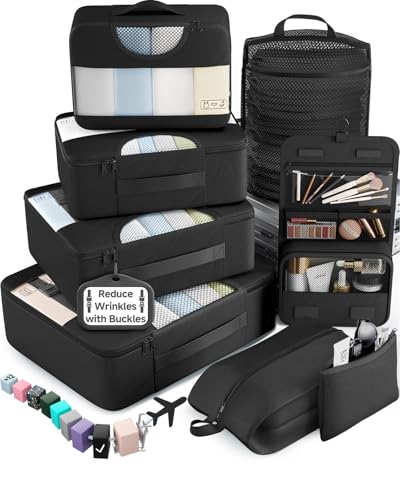
Top Travel Essentials to Pack
Adapters are step one—these items are step two. Simple, useful, and often overlooked, they’re a smart addition to any trip.


More About Niamey
Niamey is Niger’s capital, tucked along the banks of the Niger River, and it’s got a laid-back rhythm compared to other African capitals. The city’s dusty streets are lined with markets, mosques, and colorful street stalls. It’s the kind of place where daily life plays out in the open: people sipping tea under trees, kids playing soccer in empty lots, and vendors grilling meat right on the sidewalk.
The National Museum is surprisingly good—it mixes exhibits on local history with live artisans and even some small animals. There’s also the Grand Mosque, a landmark worth checking out, especially around prayer time when it fills with locals dressed in their Friday best. You’ll get a real feel for the cultural and religious fabric of the city just by walking around.
While Niamey isn’t a major tourist hub, it has its own quiet charm. It’s a window into modern Sahelian life and a good place to understand the bigger picture of Niger. Just keep your wits about you—like many places in the region, safety is something to take seriously, especially outside the city center.
Niamey uses the same plugs and outlets as the rest of Niger.