
In Lisbon, they use Type C and F power plugs and outlets. The voltage is 230V, and the frequency is 50Hz.
⚠️ So, you’ll need a travel adapter in Lisbon. Their plugs and outlets are different from the Type A and B ones we use back in the States.
Quick Overview of the Plugs in Lisbon:
- Plug type in Lisbon: C and F
- Standard voltage: 230V
- Frequency: 50Hz
- Need a travel adapter? Yes, you do need a travel adapter
- Need a voltage converter? Some gadgets will probably need it
- Recommended plug adapter: One Beat International Power Adapter
The information you see here is carefully compiled from official power authority guidelines, global IEC standards, and real traveler feedback from around the world.
Power Outlets in Lisbon
In Lisbon, they use Type C and F power plugs and outlets.
Type C

Type C outlets have two round prongs and no grounding pin. Type E and F plugs usually fit too, but grounded plugs will need an adapter.
Type F

Type F outlets have two round prongs and grounding clips on the sides. Type C and E plugs will also fit.
The Only Travel Adapter You’ll Need in Lisbon
Picking the wrong travel adapter can leave you stranded with dead devices. We don’t sell them, but we’ve researched the best option for Lisbon, based on voltage, safety, charging speed, and reliability. This one stands out as the best choice:
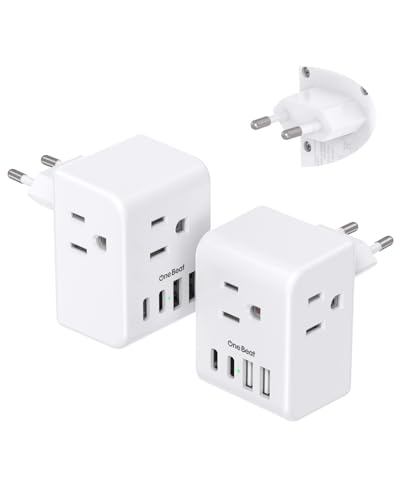
If you’re already traveling or at your destination without a power adapter, no worries—you’ll probably be able to find one nearby. Still, bringing one from home just saves you the extra step and gives you one less thing to think about.
Lisbon travelers frequently continue on to France, Spain, or Morocco. It’s a good idea to check plug compatibility.
Do You Need a Voltage Converter?
If the voltage in Lisbon doesn’t align with the 120V used in the U.S., you’ll need a converter to safely use your electronics.
To avoid any electrical issues, always check the power label on your device before traveling. If it states “100-240V, 50/60 Hz”, your device is compatible with multiple voltage standards and won’t require a converter. Most laptops, tablets, cameras, and rechargeable devices support this.

Which Travel Devices May Need a Converter?
Not sure which voltage converter to get? Take a look at the best-rated ones right here.
| Device | Need Converter? | Notes |
|---|---|---|
| Phone | ❌ No (usually) | Most modern phone chargers are dual voltage (100–240V) |
| Laptop | ❌ No (usually) | Check the power brick label for 100–240V |
| Hairdryer | ✅ Yes (often) | High wattage; many models are not dual voltage |
| Electric toothbrush | ⚠️ Check voltage | Some models are 110V only |
| Camera / DSLR | ❌ No (usually) | Most chargers are dual voltage |
| Power bank | ❌ No | Charges via USB, adapter is enough |
| Electric shaver / trimmer | ⚠️ Check voltage | Older or cheaper models may not support 230V |
| Tablet / iPad | ❌ No | All models are dual voltage |
| Portable fan | ✅ Yes (sometimes) | Many models are not compatible with 230V |
| Game console | ⚠️ Check voltage | Newer consoles like PS5 and Xbox are often dual voltage — check to be sure |
| Bluetooth speaker | ❌ No (usually) | Charges via USB |
| E-reader (Kindle, etc.) | ❌ No | USB charging only, no converter needed |
Top Travel Essentials to Pack
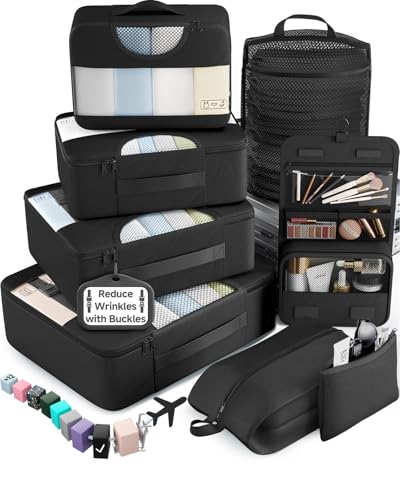
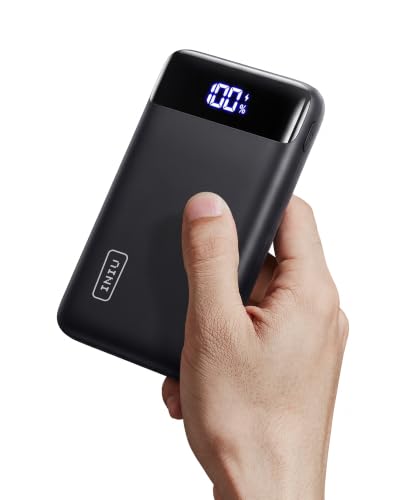
You’ve got your adapter—great. But here are a few more essentials that frequent travelers swear by. They’re small, but seriously useful.

More About Lisbon
Lisbon’s built on seven hills overlooking the Atlantic, giving you dramatic viewpoints and a workout if you’re walking—but the vintage yellow trams (like the famous Tram 28) make the climbs feel effortless and nostalgic.
It’s older than Rome and Paris, and Remnants abound—from the tidal Rua Augusta Arch and Pombaline downtown rebuilt after the massive 1755 earthquake, to the narrow winding lanes of Alfama. And don’t miss that magical moment at sunset watching ferries cross the Tagus River from a hilltop miradouro.
This is the birthplace of Fado—melancholic, soul-stirring songs of “saudade”—and you’ll find intimate live performances in traditional taverns. Lisbon also boasts the world’s oldest bookstore (opened in 1732), Gothic chapels dripping with gold, and a bridge that’s basically Lisbon’s version of the Golden Gate.
Lisbon uses the same plugs and outlets as the rest of Portugal.