
In Djenné, they use Type C and E power plugs and outlets. The voltage is 220V, and the frequency is 50Hz.
⚠️ So, you’ll need a travel adapter in Djenné. Their plugs and outlets are different from the Type A and B ones we use back in the States.
Quick Overview of the Plugs in Djenné:
- Plug type in Djenné: C and E
- Standard voltage: 220V
- Frequency: 50Hz
- Need a travel adapter? Yes, you do need a travel adapter
- Need a voltage converter? Some gadgets will probably need it
- Recommended plug adapter: Vintar Universal Travel Adapter Kit
Our information is based on official power guidelines from each country, verified international IEC standards, and firsthand experiences from travelers across the world.
Power Outlets in Djenné
In Djenné, they use Type C and E power plugs and outlets.
Type C

Type C outlets have two round prongs and no grounding pin. Type E and F plugs usually fit too, but grounded plugs will need an adapter.
Type E

Type E outlets have two round prongs and a grounding pin at the top. Type C and F plugs will also fit.
The Only Travel Adapter You’ll Need in Djenné
Want a hassle-free trip to Djenné? A reliable travel adapter is a must. We don’t sell them, but we’ve researched the safest, best-reviewed option for you. Check it out:

No adapter in your bag? No big deal. You can usually find one after you arrive. Still, having your own ready to go is a small thing that makes a big difference on the road.
Djenné travelers frequently continue their route into Guinea, Senegal, or Burkina Faso. Outlet types may differ across borders.
Do You Need a Voltage Converter?
If the voltage in Djenné doesn’t align with the 120V used in the U.S., you’ll need a converter to safely use your electronics.
Before plugging in any device abroad, always make sure to check the power rating on the label. If it states “100-240V, 50/60 Hz”, your device is built for international use and doesn’t require a voltage converter. Most modern electronics, including laptops, tablets, and cameras, support this feature.

Which Travel Devices May Need a Converter?
Not sure which voltage converter to get? Take a look at the best-rated ones right here.
| Device | Need Converter? | Notes |
|---|---|---|
| Phone | ❌ No (usually) | Most modern phone chargers are dual voltage (100–240V) |
| Laptop | ❌ No (usually) | Check the power brick label for 100–240V |
| Hairdryer | ✅ Yes (often) | High wattage; many models are not dual voltage |
| Electric toothbrush | ⚠️ Check voltage | Some models are 110V only |
| Camera / DSLR | ❌ No (usually) | Most chargers are dual voltage |
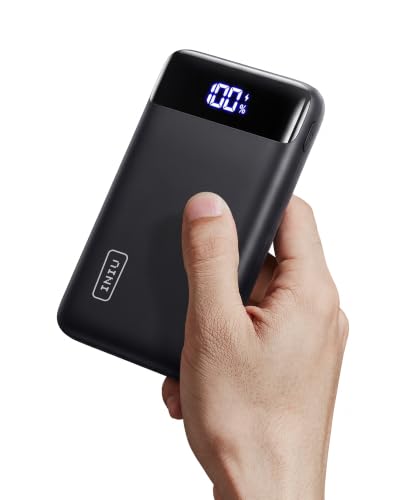
| Power bank | ❌ No | Charges via USB, adapter is enough |
| Electric shaver / trimmer | ⚠️ Check voltage | Older or cheaper models may not support 230V |
| Tablet / iPad | ❌ No | All models are dual voltage |
| Portable fan | ✅ Yes (sometimes) | Many models are not compatible with 230V |
| Game console | ⚠️ Check voltage | Newer consoles like PS5 and Xbox are often dual voltage — check to be sure |
| Bluetooth speaker | ❌ No (usually) | Charges via USB |
| E-reader (Kindle, etc.) | ❌ No | USB charging only, no converter needed |
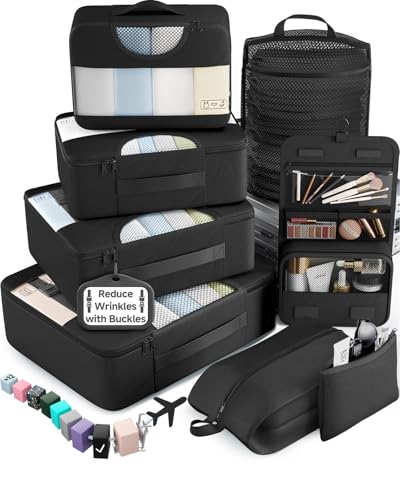
Top Travel Essentials to Pack
Packing smart means thinking ahead. These extras don’t take much space, but they can make your trip a lot more comfortable.

More About Djenné
Djenné is a living history museum—settled around 250 BCE and famous for the world’s biggest mud-brick building, the Great Mosque. The town fills with color and life, especially during the annual replastering ceremony when locals come together in a massive ritual to re-mud the mosque.
Set where the Niger and Bani rivers meet, the whole old town sits safe on stilts during seasonal floods, giving it that “floating village” vibe. Its traditional homes—almost 2,000 of them—have been around for centuries and look straight out of a storybook.
It’s a great stop if you’re into culture and history—markets buzz with local traders, ferries glide across the river, and the feel is genuine Mali: slow-paced, community-centered, and a bit off the grid (though tourism has slowed thanks to instability).
Djenné uses the same plugs and outlets as the rest of Mali.