
In Guinea, they use Type C, F, and K power plugs and outlets. The voltage is 220V, and the frequency is 50Hz.
⚠️ So, you’ll need a travel adapter in Guinea. Their plugs and outlets are different from the Type A and B ones we use back in the States.
Quick Overview of the Plugs in Guinea:
- Plug type in Guinea: C, F, and K
- Standard voltage: 220V
- Frequency: 50Hz
- Need a travel adapter? Yes, you do need a travel adapter
- Need a voltage converter? Don’t assume — check the power specs
- Recommended plug adapter: Vintar Universal Travel Adapter Kit
Every detail is cross-checked with official guidelines from local electrical authorities, international standards like the IEC, and practical feedback from travelers worldwide.
Power Outlets in Guinea
In Guinea, they use Type C, F, and K power plugs and outlets.
Type C

Type C outlets have two round prongs and no grounding pin. Type E and F plugs usually fit too, but grounded plugs will need an adapter.
Type F

Type K
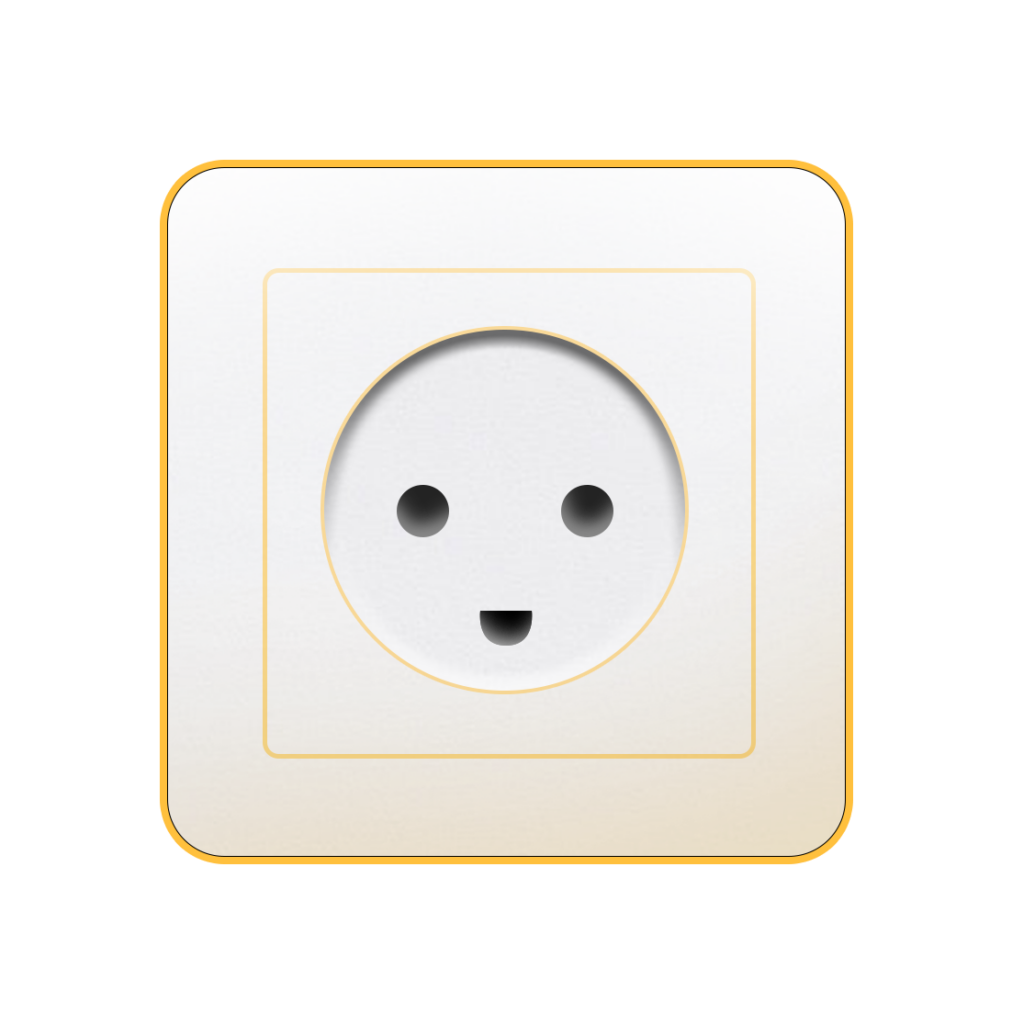
Type K outlets have two round prongs and a grounding pin located below them, and accept both Type K and Type C plugs, but Type C plugs won’t provide grounding.
The Only Travel Adapter You’ll Need in Guinea
The wrong adapter can mean slow charging, device damage, or no power at all. We don’t sell travel adapters, but we’ve found the best one for Guinea by looking at voltage, safety, and compatibility. Here’s our top pick:

Even if you forgot to pack a power adapter, you’re not out of luck. Most places sell them. That said, bringing one from home gives you peace of mind and avoids having to settle for a cheap or incompatible option.
People visiting Guinea frequently also travel to Mali, Sierra Leone, and Guinea-Bissau. Make sure your plug fits each stop on your trip.
Do You Need a Voltage Converter?
Before plugging in your electronics in Guinea, check the voltage. It’s different from the 120V used in the U.S., so you’ll likely need a converter.
Before traveling, always double-check the input voltage label on your device. If it states “100-240V, 50/60 Hz”, your device is designed to handle different power systems and won’t need a converter. This includes most phones, tablets, laptops, cameras, and rechargeable personal care items.

Which Travel Devices May Need a Converter?
Play it safe with your electronics — browse the most trusted voltage converters here.
| Device | Need Converter? | Notes |
|---|---|---|
| Phone | ❌ No (usually) | Most modern phone chargers are dual voltage (100–240V) |
| Laptop | ❌ No (usually) | Check the power brick label for 100–240V |
| Hairdryer | ✅ Yes (often) | High wattage; many models are not dual voltage |
| Electric toothbrush | ⚠️ Check voltage | Some models are 110V only |
| Camera / DSLR | ❌ No (usually) | Most chargers are dual voltage |
| Power bank | ❌ No | Charges via USB, adapter is enough |
| Electric shaver / trimmer | ⚠️ Check voltage | Older or cheaper models may not support 230V |
| Tablet / iPad | ❌ No | All models are dual voltage |
| Portable fan | ✅ Yes (sometimes) | Many models are not compatible with 230V |
| Game console | ⚠️ Check voltage | Newer consoles like PS5 and Xbox are often dual voltage — check to be sure |
| Bluetooth speaker | ❌ No (usually) | Charges via USB |
| E-reader (Kindle, etc.) | ❌ No | USB charging only, no converter needed |