
In Dakar, they use Type C, D, E, and K power plugs and outlets. The voltage is 230V, and the frequency is 50Hz.
⚠️ So, you’ll need a travel adapter in Dakar. Their plugs and outlets are different from the Type A and B ones we use back in the States.
Quick Overview of the Plugs in Dakar:
- Plug type in Dakar: C, D, E, and K
- Standard voltage: 230V
- Frequency: 50Hz
- Need a travel adapter? Yes, you do need a travel adapter
- Need a voltage converter? Could be needed, depending on the model
- Recommended plug adapter: Vintar Universal Travel Adapter Kit
The details provided here come directly from local power authorities, international standards like the IEC, and practical feedback shared by travelers across the globe.
Power Outlets in Dakar
In Dakar, they use Type C, D, E, and K power plugs and outlets.
Type C

Type C outlets have two round prongs and no grounding pin. Type E and F plugs usually fit too, but grounded plugs will need an adapter.
Type D

Type D outlets have three large round prongs in a triangular layout and typically only accept Type D plugs, although Type C plugs might fit loosely and are not recommended for safe use.
Type E

Type E outlets have two round prongs and a grounding pin at the top. Type C and F plugs will also fit.
Type K

Type K outlets have two round prongs and a grounding pin located below them, and accept both Type K and Type C plugs, but Type C plugs won’t provide grounding.
The Only Travel Adapter You’ll Need in Dakar
Ever landed in a new country, only to realize your charger doesn’t fit? Been there, done that. We don’t sell travel adapters, but we’ve done the research to find the best one for Dakar—covering voltage, plug types, safety, and price. This one’s a must-have:

Forgot your power adapter and you’re already traveling? It’s not the end of the world—most airports and local stores sell them. But packing your own means you’re ready to go the moment you land, with no extra stops needed.
Dakar travelers often continue their trip through The Gambia, Mali, or Guinea. Always check plug types before you go.
Do You Need a Voltage Converter?
A voltage converter is likely needed in Dakar because your device must match the country’s voltage. The U.S. runs on 120V, but Dakar uses a different voltage, so a converter is necessary.
Always double-check the label on your electronics before traveling abroad. If you see “100-240V, 50/60 Hz”, your device is built for global use and doesn’t require a converter. This applies to most smartphones, laptops, cameras, and rechargeable devices.

Which Travel Devices May Need a Converter?
Don’t want to guess which converter works? Here are the best-reviewed ones worth checking out.
| Device | Need Converter? | Notes |
|---|---|---|
| Phone | ❌ No (usually) | Most modern phone chargers are dual voltage (100–240V) |
| Laptop | ❌ No (usually) | Check the power brick label for 100–240V |
| Hairdryer | ✅ Yes (often) | High wattage; many models are not dual voltage |
| Electric toothbrush | ⚠️ Check voltage | Some models are 110V only |
| Camera / DSLR | ❌ No (usually) | Most chargers are dual voltage |
| Power bank | ❌ No | Charges via USB, adapter is enough |
| Electric shaver / trimmer | ⚠️ Check voltage | Older or cheaper models may not support 230V |
| Tablet / iPad | ❌ No | All models are dual voltage |
| Portable fan | ✅ Yes (sometimes) | Many models are not compatible with 230V |
| Game console | ⚠️ Check voltage | Newer consoles like PS5 and Xbox are often dual voltage — check to be sure |
| Bluetooth speaker | ❌ No (usually) | Charges via USB |
| E-reader (Kindle, etc.) | ❌ No | USB charging only, no converter needed |
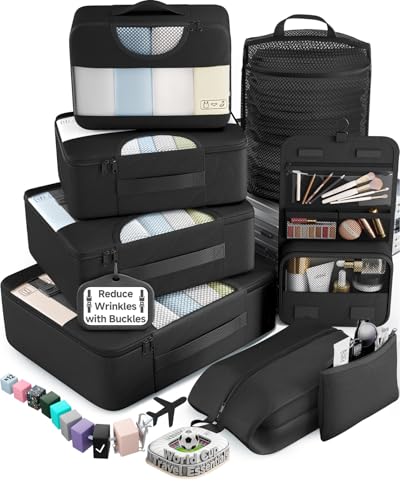
Top Travel Essentials to Pack
Besides the right plug, a few other items can make your trip run more smoothly. These practical travel tools help you stay organized, avoid stress, and travel lighter.


More About Dakar
Dakar is fast-paced, loud, colorful, and alive. It’s Senegal’s capital, sitting on the edge of the Atlantic Ocean, and it mixes old-school West African culture with a modern, creative buzz. You’ll find street vendors selling fresh fish and spicy yassa, DJs spinning beats late into the night, and murals splashed across alleyways that feel more like outdoor galleries.
The city stretches across a peninsula, which means you’re never far from the ocean. Head to Les Mamelles for clifftop views, or grab grilled seafood near the port while watching surfers ride the waves. One unmissable sight is the African Renaissance Monument—it’s taller than the Statue of Liberty and a bold reminder of Senegal’s growing confidence on the world stage.
Even with all that hustle, Dakar has a warm vibe. Locals call it “teranga”—a deep sense of hospitality. You’ll feel it in the way strangers greet you, in the rhythm of the music, and in how the city invites you to stay just a little longer than you planned.
Dakar uses the same plugs and outlets as the rest of Senegal.