
In Banjul, they use Type G power plugs and outlets. The voltage is 230V, and the frequency is 50Hz.
⚠️ So, you’ll need a travel adapter in Banjul. Their plugs and outlets are different from the Type A and B ones we use back in the States.
Quick Overview of the Plugs in Banjul:
- Plug type in Banjul: G
- Standard voltage: 230V
- Frequency: 50Hz
- Need a travel adapter? Yes, you do need a travel adapter
- Need a voltage converter? You might need one for certain items
- Recommended plug adapter: One Beat Travel Plug Adapter
This page is based on verified information from local power agencies, international standards organizations such as the IEC, and feedback from travelers who’ve recently been there.
Power Outlets in Banjul
In Banjul, they use Type G power plugs and outlets.
Type G

Type G outlets have three rectangular prongs in a triangular layout and built-in fuses. Other plug types won’t fit without an adapter.
The Only Travel Adapter You’ll Need in Banjul
Don’t gamble with your power supply abroad. We don’t sell travel adapters, but we’ve done the hard work to find the best one for Banjul—a tested, reliable, and safe option that lets you charge without worries. Travel smart and stay powered up with this top pick:

It’s not great to realize you forgot your power adapter, but it’s also not a disaster. You can usually find one once you arrive. Still, the smoother option is to bring one with you—especially if you want one that lasts.
Banjul travelers frequently include stops in Guinea, Senegal, or Guinea-Bissau. Check your adapter compatibility beforehand.
Do You Need a Voltage Converter?
A voltage converter is likely needed in Banjul because your device must match the country’s voltage. The U.S. runs on 120V, but Banjul uses a different voltage, so a converter is necessary.
To be safe, always check the label on your electronics before you travel. If you see “100-240V, 50/60 Hz”, your device is compatible with multiple voltage systems and won’t need a converter. Most phones, laptops, tablets, cameras, and rechargeable toothbrushes have this capability.

Which Travel Devices May Need a Converter?
Don’t want to guess which converter works? Here are the best-reviewed ones worth checking out.
| Device | Need Converter? | Notes |
|---|---|---|
| Phone | ❌ No (usually) | Most modern phone chargers are dual voltage (100–240V) |
| Laptop | ❌ No (usually) | Check the power brick label for 100–240V |
| Hairdryer | ✅ Yes (often) | High wattage; many models are not dual voltage |
| Electric toothbrush | ⚠️ Check voltage | Some models are 110V only |
| Camera / DSLR | ❌ No (usually) | Most chargers are dual voltage |
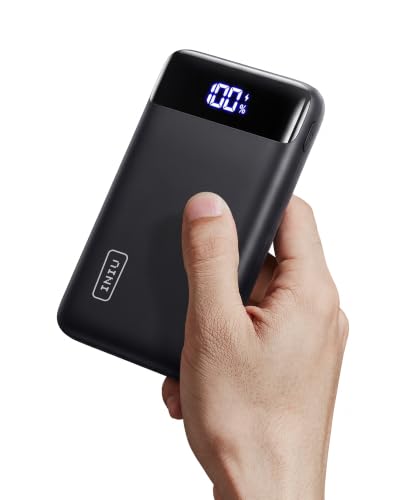
| Power bank | ❌ No | Charges via USB, adapter is enough |
| Electric shaver / trimmer | ⚠️ Check voltage | Older or cheaper models may not support 230V |
| Tablet / iPad | ❌ No | All models are dual voltage |
| Portable fan | ✅ Yes (sometimes) | Many models are not compatible with 230V |
| Game console | ⚠️ Check voltage | Newer consoles like PS5 and Xbox are often dual voltage — check to be sure |
| Bluetooth speaker | ❌ No (usually) | Charges via USB |
| E-reader (Kindle, etc.) | ❌ No | USB charging only, no converter needed |
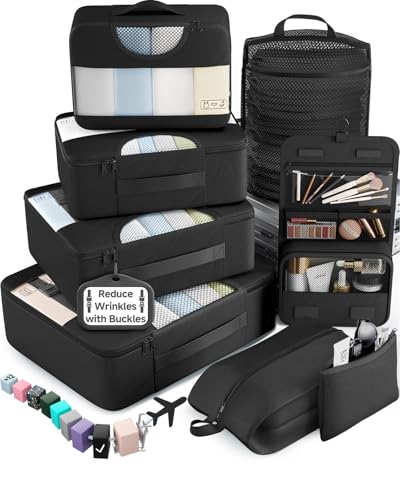
Top Travel Essentials to Pack
A good travel experience comes down to the small things. These smart additions can help you avoid last-minute stress and keep your trip on track.

More About Banjul
Banjul is Gambia’s capital, situated on St. Mary’s Island at the mouth of the Gambia River. Despite being small, it’s historically significant, founded as a British settlement in the 19th century with colonial-era architecture and bustling market squares. You can take a short ferry ride to the mainland and find busy markets, narrow streets, and a relaxed riverfront vibe. The city gives you the lowdown on Gambia’s past with landmarks like colonial buildings and local fishing boats bobbing near the docks.
It’s compact and walkable—many visitors spend just a few hours here before heading to beaches or the countryside. The National Museum offers insight into the country’s history and culture, while nearby fish markets offer a look at daily trade and community rhythms. Don’t expect noise or traffic jams—Banjul is peaceful and human-scaled, with locals greeting each other in Wolof or English as they go about their routines.
For American travelers, it’s the sort of capital that feels accessible and friendly rather than overwhelming. It’s a nice detour if you’re staying in Bakau or Serrekunda and want a bit of governmental and historical context. There’s a rhythm here—river breezes, lazy cafés, fishermen fixing nets—that helps you transition from traveler to observer in no time.
Banjul uses the same plugs and outlets as the rest of Gambia.