
In Conakry, they use Type C, F, and K power plugs and outlets. The voltage is 220V, and the frequency is 50Hz.
⚠️ So, you’ll need a travel adapter in Conakry. Their plugs and outlets are different from the Type A and B ones we use back in the States.
Quick Overview of the Plugs in Conakry:
- Plug type in Conakry: C, F, and K
- Standard voltage: 220V
- Frequency: 50Hz
- Need a travel adapter? Yes, you do need a travel adapter
- Need a voltage converter? Could be needed, depending on the model
- Recommended plug adapter: Vintar Universal Travel Adapter Kit
All information is gathered from official sources like local power authorities, IEC standards, and firsthand traveler experiences to ensure accuracy.
Power Outlets in Conakry
In Conakry, they use Type C, F, and K power plugs and outlets.
Type C

Type C outlets have two round prongs and no grounding pin. Type E and F plugs usually fit too, but grounded plugs will need an adapter.
Type F

Type K
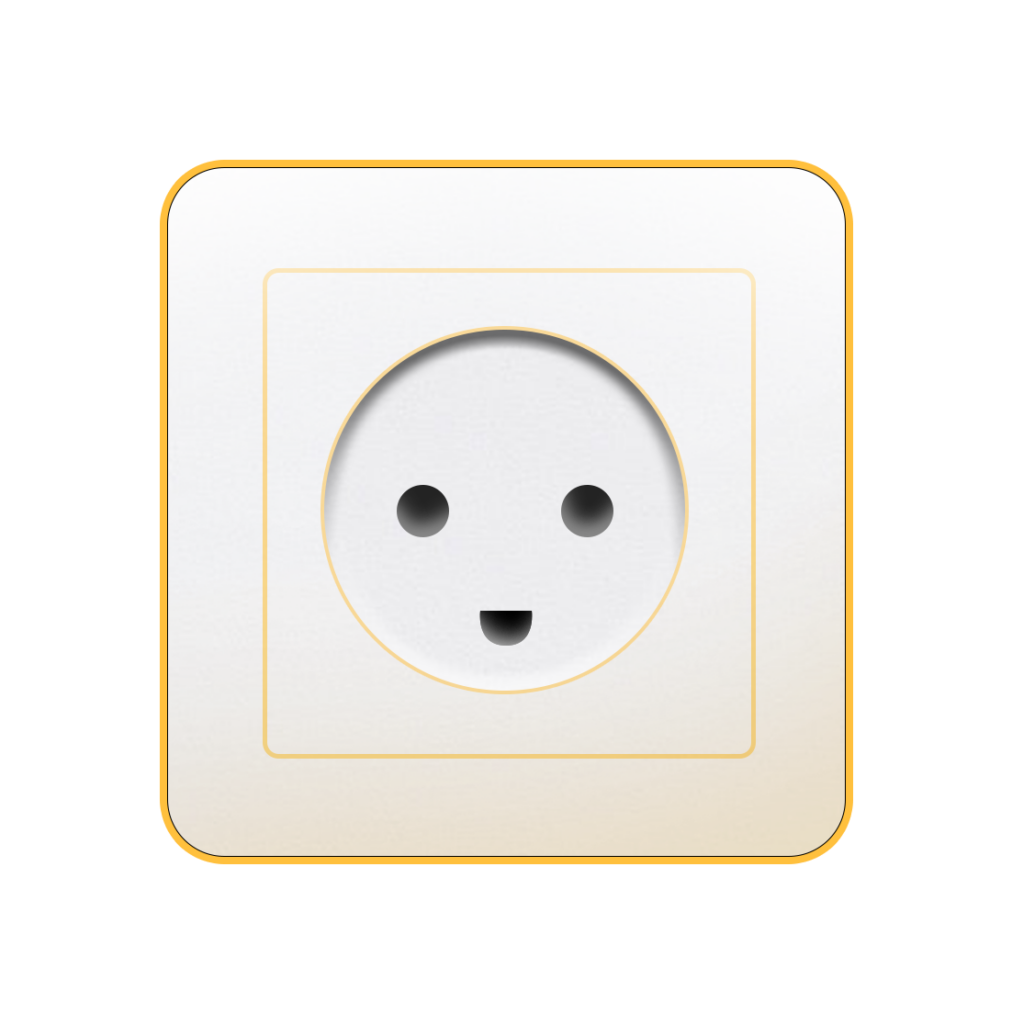
Type K outlets have two round prongs and a grounding pin located below them, and accept both Type K and Type C plugs, but Type C plugs won’t provide grounding.
The Only Travel Adapter You’ll Need in Conakry
Don’t let the wrong adapter ruin your trip. We don’t sell them, but we’ve done all the research to find the best one for Conakry—so you can charge up stress-free. Here’s the one we recommend:

No adapter in your bag? That’s okay—you can likely grab one after you land. But if you want to avoid the last-minute scramble next time, it’s worth getting one before you leave.
Conakry is frequently combined with stops in Sierra Leone, Mali, or Guinea-Bissau. Plug types may differ, so check in advance.
Do You Need a Voltage Converter?
Planning a trip to Conakry? The voltage there doesn’t match the 120V we use in the U.S., so you’ll probably need a voltage converter.
To avoid electrical issues, always check the voltage specifications on your device’s label before heading abroad. If it reads “100-240V, 50/60 Hz”, your device is dual voltage and can handle both 120V and 220-240V without requiring a converter. Most laptops, tablets, cameras, and smartphones have this feature.

Which Travel Devices May Need a Converter?
Don’t want to guess which converter works? Here are the best-reviewed ones worth checking out.
| Device | Need Converter? | Notes |
|---|---|---|
| Phone | ❌ No (usually) | Most modern phone chargers are dual voltage (100–240V) |
| Laptop | ❌ No (usually) | Check the power brick label for 100–240V |
| Hairdryer | ✅ Yes (often) | High wattage; many models are not dual voltage |
| Electric toothbrush | ⚠️ Check voltage | Some models are 110V only |
| Camera / DSLR | ❌ No (usually) | Most chargers are dual voltage |
| Power bank | ❌ No | Charges via USB, adapter is enough |
| Electric shaver / trimmer | ⚠️ Check voltage | Older or cheaper models may not support 230V |
| Tablet / iPad | ❌ No | All models are dual voltage |
| Portable fan | ✅ Yes (sometimes) | Many models are not compatible with 230V |
| Game console | ⚠️ Check voltage | Newer consoles like PS5 and Xbox are often dual voltage — check to be sure |
| Bluetooth speaker | ❌ No (usually) | Charges via USB |
| E-reader (Kindle, etc.) | ❌ No | USB charging only, no converter needed |
Top Travel Essentials to Pack
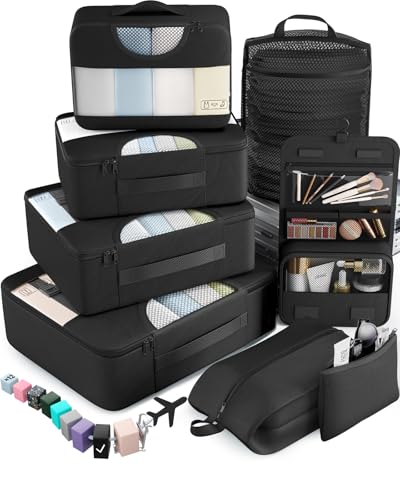
With the basics covered, these are the extras that seasoned travelers always bring along. Simple tools that do a lot.


More About Conakry
Conakry sits on a narrow peninsula and Tombo Island, and it’s home to nearly a quarter of Guinea’s population—about 2 million people. It’s a bustling port city where markets, mosques, cafés, and ferries dominate the scene. Expect lots of life, noise, and movement, but also that laid-back West African pace.
The city’s lifeblood is its port, where everything from bananas and bauxite to fish comes and goes. You’ve also got notable spots like the Grand Mosque (one of sub‑Saharan Africa’s biggest), June 2nd National Park, and the botanical gardens. Markets like Madina are great for fresh produce, colorful fabrics, and authentic local buzz.
Conakry isn’t without its challenges—rainy-season flooding can hit hard, and pickpocketing or road hassles pop up in crowded areas. But with awareness (especially in markets) and a local fixer, you’ll find a city full of hospitality, rhythms, and stories worth hearing.
Conakry uses the same plugs and outlets as the rest of Guinea.