
In Yaoundé, they use Type C and F power plugs and outlets. The voltage is 220V, and the frequency is 50Hz.
⚠️ So, you’ll need a travel adapter in Yaoundé. Their plugs and outlets are different from the Type A and B ones we use back in the States.
Quick Overview of the Plugs in Yaoundé:
- Plug type in Yaoundé: C and F
- Standard voltage: 220V
- Frequency: 50Hz
- Need a travel adapter? Yes, you do need a travel adapter
- Need a voltage converter? It all comes down to your specific device
- Recommended plug adapter: Vintar Universal Travel Adapter Kit
Our information is based on official power regulations from each destination, international IEC standards, and input from travelers who’ve experienced it firsthand.
Power Outlets in Yaoundé
In Yaoundé, they use Type C and F power plugs and outlets.
Type C

Type C outlets have two round prongs and no grounding pin. Type E and F plugs usually fit too, but grounded plugs will need an adapter.
Type F

Type F outlets have two round prongs and grounding clips on the sides. Type C and E plugs will also fit.
The Only Travel Adapter You’ll Need in Yaoundé
Finding the right travel adapter isn’t always easy. We don’t sell them, but we’ve done the homework for you—researching the best option for Yaoundé based on voltage, outlet types, safety, speed, price, and reliability. After testing multiple choices, this one is the best:

Even if you forgot to pack a power adapter, you’re not out of luck. Most places sell them. That said, bringing one from home gives you peace of mind and avoids having to settle for a cheap or incompatible option.
Yaoundé travelers often include stops in Nigeria, Gabon, and Republic of the Congo. Plug types can differ slightly between countries.
Do You Need a Voltage Converter?
If you’re traveling to Yaoundé, you’ll probably need a voltage converter. The U.S. uses 120V, but the voltage in Yaoundé is different, meaning your electronics won’t work safely without one.
Always make sure to check the input voltage label on your device before using it overseas. If it states “100-240V, 50/60 Hz”, your device supports multiple power systems and won’t need a converter. Most phones, laptops, tablets, and personal care electronics fall into this category.

Which Travel Devices May Need a Converter?
Want peace of mind while traveling? These top-rated voltage converters are a safe bet.
| Device | Need Converter? | Notes |
|---|---|---|
| Phone | ❌ No (usually) | Most modern phone chargers are dual voltage (100–240V) |
| Laptop | ❌ No (usually) | Check the power brick label for 100–240V |
| Hairdryer | ✅ Yes (often) | High wattage; many models are not dual voltage |
| Electric toothbrush | ⚠️ Check voltage | Some models are 110V only |
| Camera / DSLR | ❌ No (usually) | Most chargers are dual voltage |
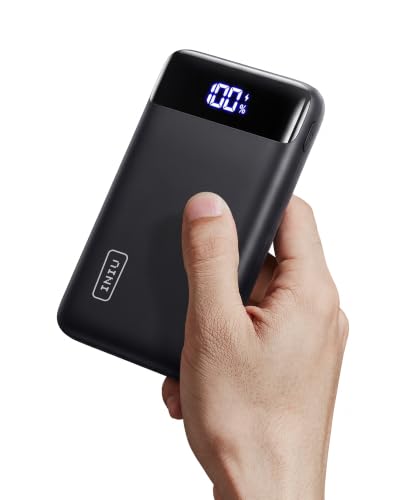
| Power bank | ❌ No | Charges via USB, adapter is enough |
| Electric shaver / trimmer | ⚠️ Check voltage | Older or cheaper models may not support 230V |
| Tablet / iPad | ❌ No | All models are dual voltage |
| Portable fan | ✅ Yes (sometimes) | Many models are not compatible with 230V |
| Game console | ⚠️ Check voltage | Newer consoles like PS5 and Xbox are often dual voltage — check to be sure |
| Bluetooth speaker | ❌ No (usually) | Charges via USB |
| E-reader (Kindle, etc.) | ❌ No | USB charging only, no converter needed |
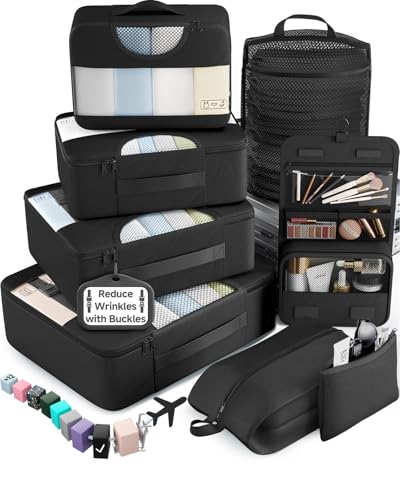
Top Travel Essentials to Pack
A few smart extras can make your trip a lot easier. They’re compact, useful, and often overlooked until you really need them.

More About Yaoundé
Yaoundé, “City on Seven Hills,” is Cameroon’s high-altitude capital—around 2,500 feet above sea level—and full of leafy boulevards, busy markets, and government buzz. It’s smaller and more reserved than Douala, with a diplomat-town feel around places like Bastos.
History and culture are front-and-center: check out the Reunification Monument or visit the small zoo in the Mvog-Betsi neighborhood. If you’re into art, don’t miss the Blackitude Museum—a top private collection showcasing Cameroon’s rich tribal artistry.
As the political heart of Cameroon, there’s always something happening—government affairs, national events, and diplomatic energy. Stick to central areas and busy streets, and you’ll find a city that’s polished yet real, full of friendly chatter, local cafés, and views rolling over green hills.
Yaoundé uses the same plugs and outlets as the rest of Cameroon.