
In Rio de Janeiro, they use Type C and N power plugs and outlets. The voltage is 127/220V, and the frequency is 60Hz.
⚠️ So, you’ll need a travel adapter in Rio de Janeiro. Their plugs and outlets are different from the Type A and B ones we use back in the States.
Quick Overview of the Plugs in Rio de Janeiro:
- Plug type in Rio de Janeiro: C and N
- Standard voltage: 127/220V
- Frequency: 60Hz
- Need a travel adapter? Yes, you do need a travel adapter
- Need a voltage converter? May be required for certain electronics
- Recommended plug adapter: Vintar Universal Travel Adapter Kit
This information is gathered from local electricity agencies, IEC standards, and the experiences of travelers who’ve used these outlets abroad.
Power Outlets in Rio de Janeiro
In Rio de Janeiro, they use Type C and N power plugs and outlets.
Type C

Type C outlets have two round prongs and no grounding pin. Type E and F plugs usually fit too, but grounded plugs will need an adapter.
Type N
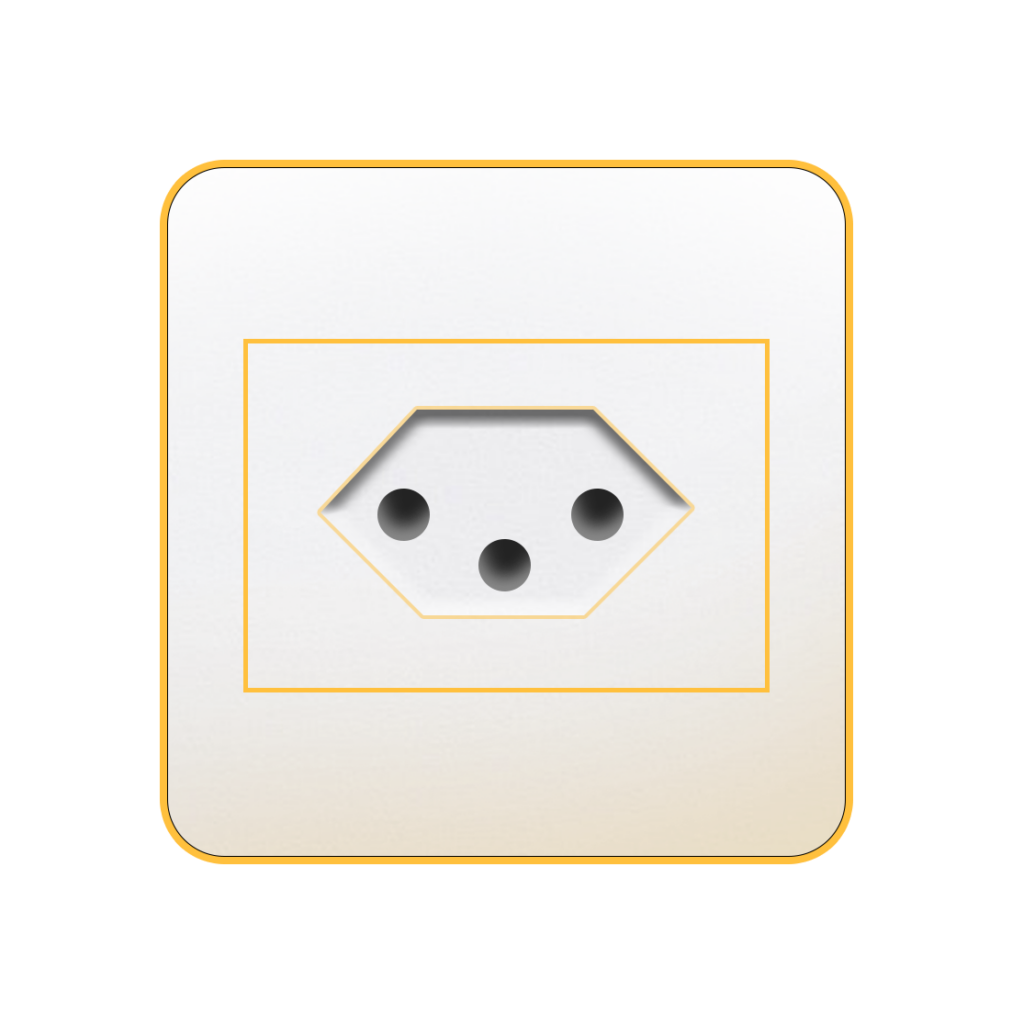
Type N outlets have three round prongs arranged in a triangular pattern, designed for modern high-power use, and accept Type N and sometimes Type C plugs, though grounding may be lost with Type C.
The Only Travel Adapter You’ll Need in Rio de Janeiro
Don’t let the wrong adapter ruin your trip. We don’t sell them, but we’ve done all the research to find the best one for Rio de Janeiro—so you can charge up stress-free. Here’s the one we recommend:

If you’re already abroad and realized you left your adapter at home, don’t stress. You can usually find one at the airport or a local store.
Next time, it’s worth packing one ahead of time—saves time, hassle, and you’ll get one that actually works.
Rio de Janeiro is frequently combined with routes through Argentina, Uruguay, or Paraguay. Make sure to check which adapters you might need.
Do You Need a Voltage Converter?
Your electronics must match the voltage of the country you’re visiting, and in Rio de Janeiro, the voltage is different from the 120V we use in the U.S. That means you’ll probably need a converter.
Always check the power label on your device before using it abroad. If it lists “100-240V, 50/60 Hz”, your device is dual voltage and works with both 120V and 220-240V power sources without a converter. This applies to laptops, tablets, smartphones, cameras, and rechargeable toothbrushes.

Which Travel Devices May Need a Converter?
Play it safe with your electronics — browse the most trusted voltage converters here.
| Device | Need Converter? | Notes |
|---|---|---|
| Phone | ❌ No (usually) | Most modern phone chargers are dual voltage (100–240V) |
| Laptop | ❌ No (usually) | Check the power brick label for 100–240V |
| Hairdryer | ✅ Yes (often) | High wattage; many models are not dual voltage |
| Electric toothbrush | ⚠️ Check voltage | Some models are 110V only |
| Camera / DSLR | ❌ No (usually) | Most chargers are dual voltage |
| Power bank | ❌ No | Charges via USB, adapter is enough |
| Electric shaver / trimmer | ⚠️ Check voltage | Older or cheaper models may not support 230V |
| Tablet / iPad | ❌ No | All models are dual voltage |
| Portable fan | ✅ Yes (sometimes) | Many models are not compatible with 230V |
| Game console | ⚠️ Check voltage | Newer consoles like PS5 and Xbox are often dual voltage — check to be sure |
| Bluetooth speaker | ❌ No (usually) | Charges via USB |
| E-reader (Kindle, etc.) | ❌ No | USB charging only, no converter needed |
Top Travel Essentials to Pack
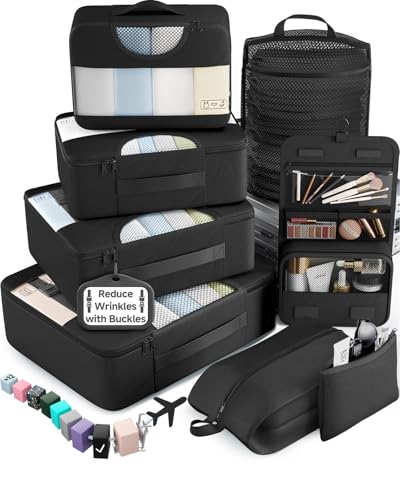
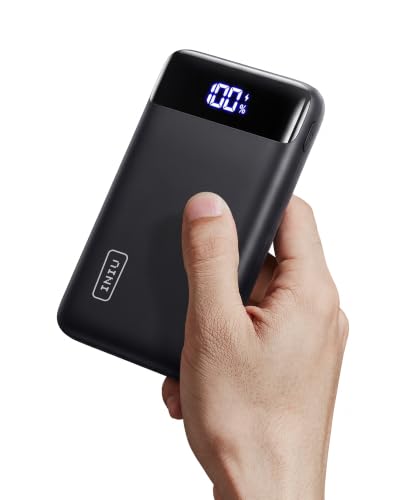
Adapters are a must—but these extra items can really upgrade your travel experience. Practical, light, and easy to pack.

More About Rio de Janeiro
Rio needs no intro—Christ the Redeemer, Sugarloaf Mountain, and samba pulses through every street. But the cooler personal touch? There are secret beaches like Perigoso, Meio, and Secreto you probably don’t know about—locals aren’t telling everyone, but hiring a guide gets you there.
Beyond beaches, Rio hides gems such as the Royal Portuguese Cabinet of Reading (a grand private library), Parque Lage’s fern-covered gardens, and the mosaic-tiled Escadaria Selarón—on your local treasure-map list now.
For a real feel of the city—do the Rocinha or Tavares Bastos favela tours. They’re regulated, safe, and humanize the place far beyond the postcards. And yes, pack your street-smarts—pickpockets pop up in crowds, but locals are usually friendly and ready to help.
Rio de Janeiro uses the same plugs and outlets as the rest of Brazil.