
In Praia, they use Type C and F power plugs and outlets. The voltage is 230V, and the frequency is 50Hz.
⚠️ So, you’ll need a travel adapter in Praia. Their plugs and outlets are different from the Type A and B ones we use back in the States.
Quick Overview of the Plugs in Praia:
- Plug type in Praia: C and F
- Standard voltage: 230V
- Frequency: 50Hz
- Need a travel adapter? Yes, you do need a travel adapter
- Need a voltage converter? Could be necessary for select devices
- Recommended plug adapter: Vintar Universal Travel Adapter Kit
We rely on official power regulations, international IEC standards, and real-world traveler feedback to keep our information accurate and trustworthy.
Power Outlets in Praia
In Praia, they use Type C and F power plugs and outlets.
Type C

Type C outlets have two round prongs and no grounding pin. Type E and F plugs usually fit too, but grounded plugs will need an adapter.
Type F

Type F outlets have two round prongs and grounding clips on the sides. Type C and E plugs will also fit.
The Only Travel Adapter You’ll Need in Praia
I’ve made the mistake before—landing in a new country and realizing my charger was useless. That’s why we did the legwork to find the best travel adapter for Praia. We don’t sell them, but after checking voltage, safety, and reliability, this one is the clear winner:

Already on the road or at your hotel and just realized you didn’t bring a power adapter? No worries. You can often buy one nearby.
That said, having one ready before your next trip just makes things easier—and saves you from settling for whatever’s available last minute.
Praia is commonly paired with destinations like Senegal or The Gambia. Always confirm plug types when island-hopping.
Do You Need a Voltage Converter?
Since Praia has a different voltage than the U.S. (120V), you’ll probably need a voltage converter to keep your devices running smoothly.
Always verify the power rating label on your device before plugging it in overseas. If it lists “100-240V, 50/60 Hz”, it’s built for global use and works on both 120V and 220-240V without needing a converter. Most modern electronics, like laptops, tablets, and cameras, support this.

Which Travel Devices May Need a Converter?
Looking for a solid voltage converter? These highly rated options are a good place to start.
| Device | Need Converter? | Notes |
|---|---|---|
| Phone | ❌ No (usually) | Most modern phone chargers are dual voltage (100–240V) |
| Laptop | ❌ No (usually) | Check the power brick label for 100–240V |
| Hairdryer | ✅ Yes (often) | High wattage; many models are not dual voltage |
| Electric toothbrush | ⚠️ Check voltage | Some models are 110V only |
| Camera / DSLR | ❌ No (usually) | Most chargers are dual voltage |
| Power bank | ❌ No | Charges via USB, adapter is enough |
| Electric shaver / trimmer | ⚠️ Check voltage | Older or cheaper models may not support 230V |
| Tablet / iPad | ❌ No | All models are dual voltage |
| Portable fan | ✅ Yes (sometimes) | Many models are not compatible with 230V |
| Game console | ⚠️ Check voltage | Newer consoles like PS5 and Xbox are often dual voltage — check to be sure |
| Bluetooth speaker | ❌ No (usually) | Charges via USB |
| E-reader (Kindle, etc.) | ❌ No | USB charging only, no converter needed |
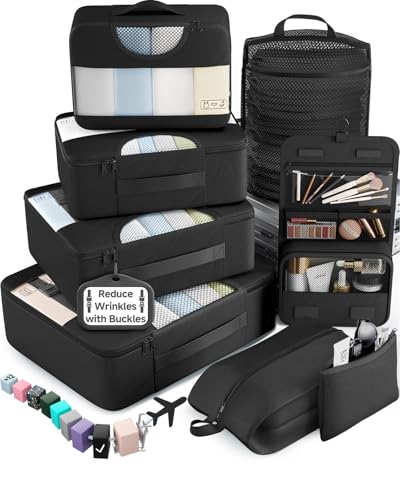
Top Travel Essentials to Pack
A good travel experience comes down to the small things. These smart additions can help you avoid last-minute stress and keep your trip on track.


More About Praia
Praia is Cape Verde’s capital and the biggest city in the country, but it still feels pretty relaxed by most standards. The historic Plateau district is where most visitors start—it’s got colonial-style buildings, a big open plaza, and a good mix of museums, cafés, and local shops. You can get a feel for the island’s history just by wandering the streets.
The markets here are a full sensory experience—locals selling fruits, veggies, handmade goods, and street food that smells amazing. People are friendly and curious, and it’s one of those cities where you’ll likely have a few spontaneous conversations. Safety-wise, just use common sense—don’t flash valuables, and you’ll be fine even after dark in the main areas.
Praia also gives you access to more rural parts of Santiago Island, where you can explore small villages, green valleys, and coastal hikes. So while it’s a city, it’s a great jumping-off point for island adventures. It’s not polished or touristy, but it’s authentic and welcoming in a way that sticks with you.
Praia uses the same plugs and outlets as the rest of Cabe Verde.