
In Port Sudan, they use Type C and D power plugs and outlets. The voltage is 230V, and the frequency is 50Hz.
⚠️ So, you’ll need a travel adapter in Port Sudan. Their plugs and outlets are different from the Type A and B ones we use back in the States.
Quick Overview of the Plugs in Port Sudan:
- Plug type in Port Sudan: C and D
- Standard voltage: 230V
- Frequency: 50Hz
- Need a travel adapter? Yes, you do need a travel adapter
- Need a voltage converter? Might be needed depending on the device
- Recommended plug adapter: Vintar Universal Travel Adapter Kit
This content is verified through local electrical regulations, international IEC standards, and practical input from travelers who’ve been there.
Power Outlets in Port Sudan
In Port Sudan, they use Type C and D power plugs and outlets.
Type C

Type C outlets have two round prongs and no grounding pin. Type E and F plugs usually fit too, but grounded plugs will need an adapter.
Type D

Type D outlets have three large round prongs in a triangular layout and typically only accept Type D plugs, although Type C plugs might fit loosely and are not recommended for safe use.
The Only Travel Adapter You’ll Need in Port Sudan
Finding the right travel adapter for Port Sudan can be confusing. That’s why we did the homework for you. We don’t sell them, but here’s the best one for safe, worry-free charging:

If you’re already en route or at your destination and don’t have a power adapter, there’s usually no need to panic. You’ll likely find one nearby. But bringing your own next time saves you the hassle.
Port Sudan is sometimes part of regional travel that also includes Ethiopia, Chad, or Egypt. Plug types may differ between countries.
Do You Need a Voltage Converter?
Planning a trip to Port Sudan? The voltage there doesn’t match the 120V we use in the U.S., so you’ll probably need a voltage converter.
Before traveling, always double-check your device’s voltage label. If it says “100-240V, 50/60 Hz”, your device is dual voltage and works worldwide without a converter. This includes most phones, laptops, tablets, cameras, and personal care devices.

Which Travel Devices May Need a Converter?
Not sure which voltage converter to get? Take a look at the best-rated ones right here.
| Device | Need Converter? | Notes |
|---|---|---|
| Phone | ❌ No (usually) | Most modern phone chargers are dual voltage (100–240V) |
| Laptop | ❌ No (usually) | Check the power brick label for 100–240V |
| Hairdryer | ✅ Yes (often) | High wattage; many models are not dual voltage |
| Electric toothbrush | ⚠️ Check voltage | Some models are 110V only |
| Camera / DSLR | ❌ No (usually) | Most chargers are dual voltage |
| Power bank | ❌ No | Charges via USB, adapter is enough |
| Electric shaver / trimmer | ⚠️ Check voltage | Older or cheaper models may not support 230V |
| Tablet / iPad | ❌ No | All models are dual voltage |
| Portable fan | ✅ Yes (sometimes) | Many models are not compatible with 230V |
| Game console | ⚠️ Check voltage | Newer consoles like PS5 and Xbox are often dual voltage — check to be sure |
| Bluetooth speaker | ❌ No (usually) | Charges via USB |
| E-reader (Kindle, etc.) | ❌ No | USB charging only, no converter needed |
Top Travel Essentials to Pack
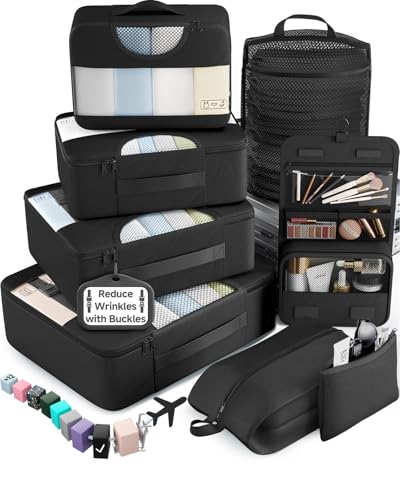
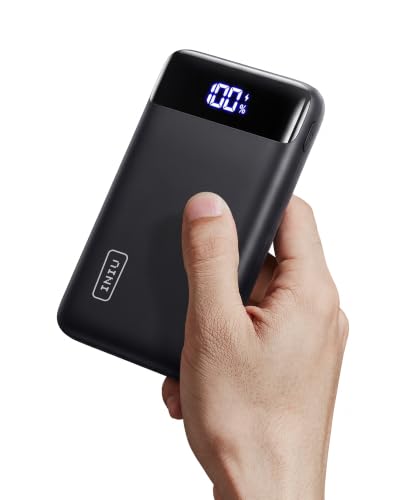
Beyond adapters, there are a few other smart additions that make travel easier. Here are some essentials worth packing.

More About Port Sudan
Port Sudan is Sudan’s gateway to the Red Sea—a coastal town with real maritime energy, palm-lined streets, and a working harbor.
It’s the most tourist-friendly corner of the country—especially in winter, when temps hit a comfortable high of about 77°F and divers gear up to explore reefs and the nearby ghostly coral town of Suakin.
Even though it’s a hub for shipping and oil, Port Sudan has managed to keep a laid-back vibe. Locals say it’s the cleanest city in Sudan, and you’ll still find friendly dive shops, quiet beaches, and a slow, coastal pace that’s a nice break from Khartoum.
Port Sudan uses the same plugs and outlets as the rest of Sudan.