
In Port-au-Prince, they use Type A and B power plugs and outlets. The voltage is 110V, and the frequency is 60Hz.
✅ Good news! You won’t need a travel adapter in Port-au-Prince. Their plugs and outlets are the same as our standard Type A and B back in the States.
Quick Overview of the Plugs in Port-au-Prince:
- Plug type in Port-au-Prince: A and B
- Standard voltage: 110V
- Frequency: 60Hz
- Need a travel adapter? No, you don’t need a travel adapter
- Need a voltage converter? No, a voltage converter isn’t necessary
We source our information directly from local power authorities, global standards organizations such as the IEC, and real-world feedback from travelers around the world.
Port-au-Prince trips are frequently combined with stops in the Dominican Republic, Jamaica, or the Bahamas. Outlet types can vary—worth a quick look.
Power Outlets in Port-au-Prince
In Port-au-Prince, they use Type A and B power plugs and outlets.
Type A

Type A outlets have two flat prongs and no grounding pin.
Type B

Type B outlets have two flat prongs and a grounding pin. Type A plugs will also fit.
Top Travel Essentials to Pack
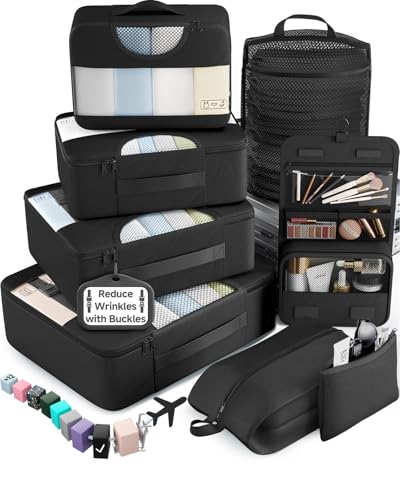
Not everything that’s useful takes up space. These compact items can really pull their weight when you’re on the go.


Do You Need a Voltage Converter?
A voltage converter isn’t necessary in Port-au-Prince, since the power system is about the same as in the U.S.
Always check your device’s voltage rating before packing for an international trip. If the label says “100-240V, 50/60 Hz”, it can safely run on both 120V and 220-240V power sources without a converter. This applies to most laptops, tablets, smartphones, and electric razors.

Which Travel Devices May Need a Converter?
Still second-guessing foreign outlets? Take the secure route with this highly rated converter, trusted by travelers for flawless performance across 180-plus countries.
Device Need Converter? Notes Phone ❌ No Most modern phone chargers are dual voltage (100–240V) Laptop ❌ No Check the power brick label for 100–240V Hairdryer ❌ No (usually) High wattage; many models are not dual voltage Electric toothbrush ❌ No Most models are 110V only Camera / DSLR ❌ No (usually) Most chargers are dual voltage Power bank ❌ No Charges via USB, adapter is enough Electric shaver / trimmer ❌ No Older or cheaper models may not support 230V Tablet / iPad ❌ No All models are dual voltage Portable fan ❌ No Many models are compatible with 110V Game console ⚠️ Check voltage Newer consoles like PS5 and Xbox are often dual voltage — check to be sure Bluetooth speaker ❌ No Charges via USB E-reader (Kindle, etc.) ❌ No USB charging only, no converter needed
More About Port-au-Prince
Port‑au‑Prince has grit and grandeur all blended together. Built on a bay that’s been a trading hub since colonial days, the city’s layout feels like one big amphitheater—urban hustle down by the water, rolling hills of homes reaching skyward.
The city has faced its share of turmoil—from earthquakes to political upheaval—but it’s also home to Haiti’s top universities, museums, and creative energy. The central plaza often has street vendors, art displays, and locals sipping coffee and chatting—there’s life pulsing through the chaos if you look for it.
That said, travel here comes with serious caution. Most sources advise against visiting right now due to gang activity and safety risks. But for those with local guides and the right security, there are stories of hidden art, music scenes, and resilient communities that are rebuilding in real time.
Port-au-Prince uses the same plugs and outlets as the rest of Haiti.