
In Ouagadougou, they use Type C and E power plugs and outlets. The voltage is 220V, and the frequency is 50Hz.
⚠️ So, you’ll need a travel adapter in Ouagadougou. Their plugs and outlets are different from the Type A and B ones we use back in the States.
Quick Overview of the Plugs in Ouagadougou:
- Plug type in Ouagadougou: C and E
- Standard voltage: 220V
- Frequency: 50Hz
- Need a travel adapter? Yes, you do need a travel adapter
- Need a voltage converter? Don’t assume — check the power specs
- Recommended plug adapter: Vintar Universal Travel Adapter Kit
This page combines official data from local electricity agencies, international IEC standards, and firsthand experiences shared by travelers who recently visited these countries.
Power Outlets in Ouagadougou
In Ouagadougou, they use Type C and E power plugs and outlets.
Type C

Type C outlets have two round prongs and no grounding pin. Type E and F plugs usually fit too, but grounded plugs will need an adapter.
Type E

Type E outlets have two round prongs and a grounding pin at the top. Type C and F plugs will also fit.
The Only Travel Adapter You’ll Need in Ouagadougou
Traveling abroad? Don’t get stuck with a dead phone because of the wrong adapter. We don’t sell travel adapters, but we’ve done the deep dive on the best options for Ouagadougou—checking voltage, outlet types, safety, charging speed, and price. This one is a solid winner:

Already traveling or at your destination with no power adapter? You can usually pick one up at the airport or in a local store. Still, bringing your own is a smarter move—it ensures compatibility and saves you from last-minute errands.
Ouagadougou travelers often continue to Mali, Benin, or Ghana. Plug types may vary—worth checking in advance.
Do You Need a Voltage Converter?
Before plugging in your electronics in Ouagadougou, check the voltage. It’s different from the 120V used in the U.S., so you’ll likely need a converter.
Before heading abroad, always check the power input label on your device. If it reads “100-240V, 50/60 Hz”, it’s designed to run on both 120V and 220-240V without needing a converter. Many smartphones, laptops, and cameras have this capability.

Which Travel Devices May Need a Converter?
Looking for a solid voltage converter? These highly rated options are a good place to start.
| Device | Need Converter? | Notes |
|---|---|---|
| Phone | ❌ No (usually) | Most modern phone chargers are dual voltage (100–240V) |
| Laptop | ❌ No (usually) | Check the power brick label for 100–240V |
| Hairdryer | ✅ Yes (often) | High wattage; many models are not dual voltage |
| Electric toothbrush | ⚠️ Check voltage | Some models are 110V only |
| Camera / DSLR | ❌ No (usually) | Most chargers are dual voltage |
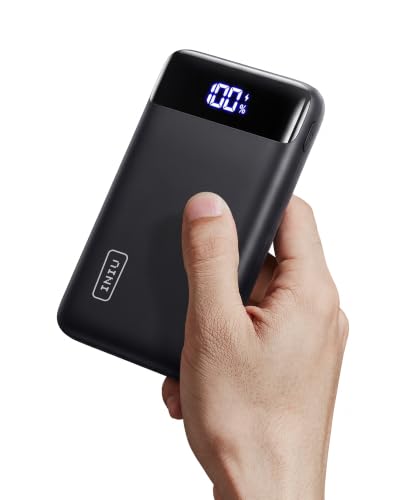
| Power bank | ❌ No | Charges via USB, adapter is enough |
| Electric shaver / trimmer | ⚠️ Check voltage | Older or cheaper models may not support 230V |
| Tablet / iPad | ❌ No | All models are dual voltage |
| Portable fan | ✅ Yes (sometimes) | Many models are not compatible with 230V |
| Game console | ⚠️ Check voltage | Newer consoles like PS5 and Xbox are often dual voltage — check to be sure |
| Bluetooth speaker | ❌ No (usually) | Charges via USB |
| E-reader (Kindle, etc.) | ❌ No | USB charging only, no converter needed |
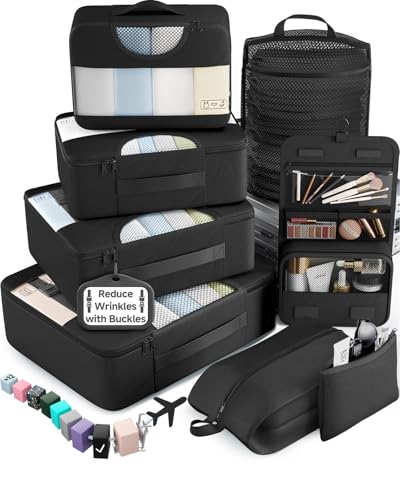
Top Travel Essentials to Pack
If you want to travel smart, it helps to go beyond the usual checklist. Here are a few compact extras that can make a big difference.

More About Ouagadougou
Ouagadougou—“Ouaga”—is the beating heart of Burkina Faso. Home to around 2.5 million people, it’s the nation’s political, economic, and cultural hub. The name literally means “where people get respect,” and you’ll feel that hospitality in crowded markets and rooftop cafés alike.
If you hit FESPACO (Africa’s biggest film fest), Festival of Masks, or the Waga Hip‑Hop Festival, you’ll see why this city is a cultural powerhouse. And don’t miss the Grand Mosque, Moro‑Naba Palace, or the National Museum for a taste of local history and architecture.
Prepare for heat—especially March to May when temps can crack 104°F—but the dry season from November to February brings milder highs in the mid‑80s. Traffic is messy, but the energy is contagious. Ouaga is raw, real, and full of life.
Ouagadougou uses the same plugs and outlets as the rest of Burkina Faso.