
In New Delhi, they use Type C, D, and M power plugs and outlets. The voltage is 230V, and the frequency is 50Hz.
⚠️ So, you’ll need a travel adapter in New Delhi. Their plugs and outlets are different from the Type A and B ones we use back in the States.
Quick Overview of the Plugs in New Delhi:
- Plug type in New Delhi: C, D, and M
- Standard voltage: 230V
- Frequency: 50Hz
- Need a travel adapter? Yes, you do need a travel adapter
- Need a voltage converter? Might be needed depending on the device
- Recommended plug adapter: Vintar Universal Travel Adapter Kit
Our information is collected from local power authorities, verified with IEC international standards, and enriched by feedback from travelers worldwide.
Power Outlets in New Delhi
In New Delhi, they use Type C, D, and M power plugs and outlets.
Type C

Type C outlets have two round prongs and no grounding pin. Type E and F plugs usually fit too, but grounded plugs will need an adapter.
Type D

Type D outlets have three large round prongs in a triangular layout and typically only accept Type D plugs, although Type C plugs might fit loosely and are not recommended for safe use.
Type M

Type M outlets have three large round prongs like Type D but spaced farther apart, designed for high-power appliances, and only accept Type M plugs—Type C may fit, but it’s unsafe and not recommended.
The Only Travel Adapter You’ll Need in New Delhi
Don’t let the wrong adapter ruin your trip. We don’t sell them, but we’ve done all the research to find the best one for New Delhi—so you can charge up stress-free. Here’s the one we recommend:

You won’t be completely stuck without a power adapter—there are usually options once you arrive. But the smart move is still to bring your own, so you’re not relying on whatever’s available.
New Delhi is frequently paired with travel through Bhutan, Sri Lanka, or Nepal. Confirm plug compatibility before packing.
Do You Need a Voltage Converter?
Planning a trip to New Delhi? The voltage there doesn’t match the 120V we use in the U.S., so you’ll probably need a voltage converter.
To be safe, always inspect the voltage specifications on your electronics before plugging them in overseas. If you see “100-240V, 50/60 Hz”, your device is dual voltage and won’t need a converter. Most tablets, laptops, cameras, and rechargeable personal care items support this.

Which Travel Devices May Need a Converter?
Play it safe with your electronics — browse the most trusted voltage converters here.
| Device | Need Converter? | Notes |
|---|---|---|
| Phone | ❌ No (usually) | Most modern phone chargers are dual voltage (100–240V) |
| Laptop | ❌ No (usually) | Check the power brick label for 100–240V |
| Hairdryer | ✅ Yes (often) | High wattage; many models are not dual voltage |
| Electric toothbrush | ⚠️ Check voltage | Some models are 110V only |
| Camera / DSLR | ❌ No (usually) | Most chargers are dual voltage |
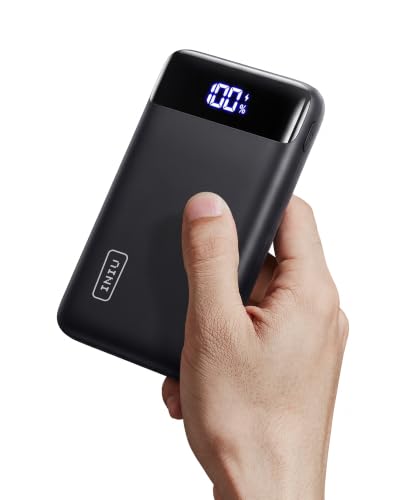
| Power bank | ❌ No | Charges via USB, adapter is enough |
| Electric shaver / trimmer | ⚠️ Check voltage | Older or cheaper models may not support 230V |
| Tablet / iPad | ❌ No | All models are dual voltage |
| Portable fan | ✅ Yes (sometimes) | Many models are not compatible with 230V |
| Game console | ⚠️ Check voltage | Newer consoles like PS5 and Xbox are often dual voltage — check to be sure |
| Bluetooth speaker | ❌ No (usually) | Charges via USB |
| E-reader (Kindle, etc.) | ❌ No | USB charging only, no converter needed |
Top Travel Essentials to Pack
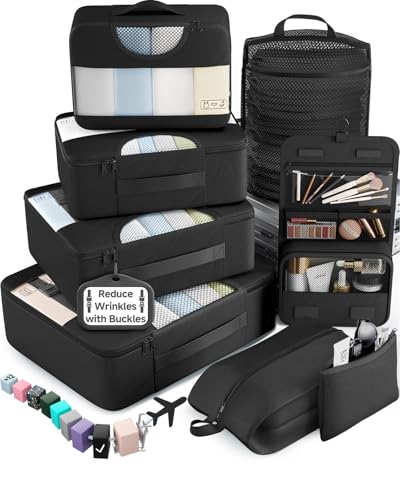
Adapters are important, but they’re just one piece of the puzzle. These extras help you travel lighter, smarter, and with fewer surprises.

More About New Delhi
New Delhi blends centuries of history with the pulse of a modern capital. Grand boulevards lead to government buildings, ancient forts overlook busy roads, and green parks give you space to breathe in a crowded city. It’s messy, massive, and magnetic all at once.
Old Delhi is where it really gets wild—in the best way. Imagine twisting alleys, the smell of spices, honking rickshaws, and the kind of street food that makes you question every fancy meal you’ve had. Then take the metro to a sleek neighborhood with cafés, art galleries, and rooftop bars. It’s like flipping between time zones without ever leaving the city.
Delhi’s also where cultures mix on a massive scale. You’ll hear dozens of languages, see temples, mosques, and churches side by side, and meet people from every part of India. It can be intense, but that’s part of the magic—it’s not just a city, it’s a full-on experience.
New Delhi uses the same plugs and outlets as the rest of India.