
In Morocco, they use Type C and E power plugs and outlets. The voltage is 220V, and the frequency is 50Hz.
⚠️ So, you’ll need a travel adapter in Morocco. Their plugs and outlets are different from the Type A and B ones we use back in the States.
Quick Overview of the Plugs in Morocco:
- Plug type in Morocco: C and E
- Standard voltage: 220V
- Frequency: 50Hz
- Need a travel adapter? Yes, you do need a travel adapter
- Need a voltage converter? Likely needed for a few devices
- Recommended plug adapter: Vintar Universal Travel Adapter Kit
The details provided here come directly from local power authorities, international standards like the IEC, and practical feedback shared by travelers across the globe.
Power Outlets in Morocco
In Morocco, they use Type C and E power plugs and outlets.
Type C

Type C outlets have two round prongs and no grounding pin. Type E and F plugs usually fit too, but grounded plugs will need an adapter.
Type E

Type E outlets have two round prongs and a grounding pin at the top. Type C and F plugs will also fit.
The Only Travel Adapter You’ll Need in Morocco
Choosing the wrong travel adapter can fry your devices—or worse, leave you without power. We don’t sell them, but we’ve tested and researched the best option for Morocco, covering voltage, safety, price, charging speed, and durability. Here’s the best choice:

Already on the road or just arrived and forgot your power adapter? It happens. Luckily, airports and local shops often carry basic ones. Still, packing one ahead of time saves you the hassle and guarantees you’ve got one that works for your needs.
Travelers heading through Morocco often include nearby destinations like Algeria, Spain, and Mauritania. It’s a good idea to confirm outlet types in advance.
Do You Need a Voltage Converter?
Planning a trip to Morocco? The voltage there doesn’t match the 120V we use in the U.S., so you’ll probably need a voltage converter.
Always check your device’s power label before traveling. If it says “100-240V, 50/60 Hz”, your device can handle different voltages worldwide without needing a converter. This applies to most laptops, tablets, cameras, phones, and rechargeable personal care devices.

Which Travel Devices May Need a Converter?
Want peace of mind while traveling? These top-rated voltage converters are a safe bet.
| Device | Need Converter? | Notes |
|---|---|---|
| Phone | ❌ No (usually) | Most modern phone chargers are dual voltage (100–240V) |
| Laptop | ❌ No (usually) | Check the power brick label for 100–240V |
| Hairdryer | ✅ Yes (often) | High wattage; many models are not dual voltage |
| Electric toothbrush | ⚠️ Check voltage | Some models are 110V only |
| Camera / DSLR | ❌ No (usually) | Most chargers are dual voltage |
| Power bank | ❌ No | Charges via USB, adapter is enough |
| Electric shaver / trimmer | ⚠️ Check voltage | Older or cheaper models may not support 230V |
| Tablet / iPad | ❌ No | All models are dual voltage |
| Portable fan | ✅ Yes (sometimes) | Many models are not compatible with 230V |
| Game console | ⚠️ Check voltage | Newer consoles like PS5 and Xbox are often dual voltage — check to be sure |
| Bluetooth speaker | ❌ No (usually) | Charges via USB |
| E-reader (Kindle, etc.) | ❌ No | USB charging only, no converter needed |
Top Travel Essentials to Pack
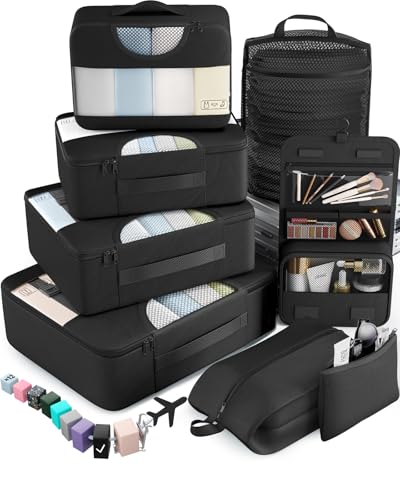
Traveling with the right gear makes things easier. In addition to your adapter, here are a few items that can help you stay powered, packed, and prepared.

Power Bank
No products found.
More About Morocco
Morocco feels like ten countries in one: Sahara dunes, High Atlas peaks, Atlantic surf, bustling souks, and peaceful medinas. It covers about 170,000 mi²—similar to California but less populated—and has everything from beaches to ski slopes near Marrakesh .
The cultural remix here is electric: Berber tribes, Arabic traditions, French colonialism, and Saharan influences fuse together. You’ll sip mint tea in riads, haggle in mosaic-lit markets, and follow architectural footsteps tracing back centuries. It’s also home to one of the world’s oldest universities (Al-Qarawiyyin in Fes) and sports one of the planet’s oldest ruling dynasties .
Best times to visit? Spring and fall—when city wanderings, Atlas treks, and desert adventures are all glorious. Whether you’re losing yourself in the blue streets of Chefchaouen, surfing in Agadir, or drifting through Marrakech’s souks, the streets echo history, hospitality, and moments that stick.
Top places to visit in Morocco: Marrakesh, Casablanca, Fes, Rabat, Chefchaouen, Essaouira, Tangier, Agadir, and Meknes.