
In Medina, they use Type G power plugs and outlets. The voltage is 230V, and the frequency is 60Hz.
⚠️ So, you’ll need a travel adapter in Medina. Their plugs and outlets are different from the Type A and B ones we use back in the States.
Quick Overview of the Plugs in Medina:
- Plug type in Medina: G
- Standard voltage: 230V
- Frequency: 60Hz
- Need a travel adapter? Yes, you do need a travel adapter
- Need a voltage converter? Don’t assume — check the power specs
- Recommended plug adapter: One Beat Travel Plug Adapter
The details provided here come directly from local power authorities, international standards like the IEC, and practical feedback shared by travelers across the globe.
Power Outlets in Medina
In Medina, they use Type G power plugs and outlets.
Type G

Type G outlets have three rectangular prongs in a triangular layout and built-in fuses. Other plug types won’t fit without an adapter.
The Only Travel Adapter You’ll Need in Medina
Ever landed in a new country, only to realize your charger doesn’t fit? Been there, done that. We don’t sell travel adapters, but we’ve done the research to find the best one for Medina—covering voltage, plug types, safety, and price. This one’s a must-have:

Already on the road or at your hotel and just realized you didn’t bring a power adapter? No worries. You can often buy one nearby.
That said, having one ready before your next trip just makes things easier—and saves you from settling for whatever’s available last minute.
Medina travelers commonly continue on to Bahrain, Kuwait, or the United Arab Emirates. Check if your adapter will work in each country.
Do You Need a Voltage Converter?
If the voltage in Medina doesn’t align with the 120V used in the U.S., you’ll need a converter to safely use your electronics.
To avoid any electrical issues, always check the power label on your device before traveling. If it states “100-240V, 50/60 Hz”, your device is compatible with multiple voltage standards and won’t require a converter. Most laptops, tablets, cameras, and rechargeable devices support this.

Which Travel Devices May Need a Converter?
Want peace of mind while traveling? These top-rated voltage converters are a safe bet.
| Device | Need Converter? | Notes |
|---|---|---|
| Phone | ❌ No (usually) | Most modern phone chargers are dual voltage (100–240V) |
| Laptop | ❌ No (usually) | Check the power brick label for 100–240V |
| Hairdryer | ✅ Yes (often) | High wattage; many models are not dual voltage |
| Electric toothbrush | ⚠️ Check voltage | Some models are 110V only |
| Camera / DSLR | ❌ No (usually) | Most chargers are dual voltage |
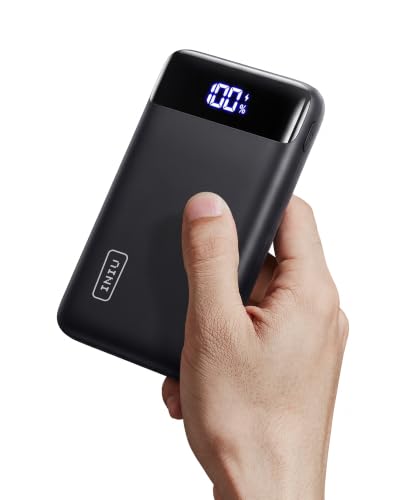
| Power bank | ❌ No | Charges via USB, adapter is enough |
| Electric shaver / trimmer | ⚠️ Check voltage | Older or cheaper models may not support 230V |
| Tablet / iPad | ❌ No | All models are dual voltage |
| Portable fan | ✅ Yes (sometimes) | Many models are not compatible with 230V |
| Game console | ⚠️ Check voltage | Newer consoles like PS5 and Xbox are often dual voltage — check to be sure |
| Bluetooth speaker | ❌ No (usually) | Charges via USB |
| E-reader (Kindle, etc.) | ❌ No | USB charging only, no converter needed |
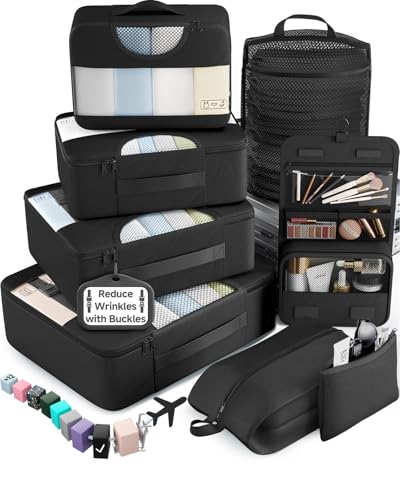
Top Travel Essentials to Pack
A good adapter is just the start. These other essentials help round out your packing list and keep things running smoothly.

More About Medina
Medina, also known as al‑Madinah al‑Munawwarah, is Islam’s second-holiest city and holds deep spiritual meaning—home to the Prophet’s Mosque and the resting place of the Prophet Muhammad. Though the mosque complex and its immediately surrounding area are off-limits to non‑Muslims, the rest of Medina is open to visitors and offers a blend of local rhythm and spiritual history. Outside the mosque you’ll still find visitors sipping coffee under date palms and street vendors calling out dates and souvenirs. The city feels respectful, calm, and deeply rooted in its well-known hospitality.
Medina’s Prince Mohammad bin Abdulaziz International Airport served over 10.9 million passengers in 2024, making it one of the busiest airports in the region—especially during Hajj and Umrah seasons. The rest of the city starts early: pilgrims gather at dawn, markets buzz midmorning, and afternoons bring quiet walks through tree-lined alleys. New projects like Rua Al Madinah aim to prepare the city for up to 30 million pilgrims by 2030, including thousands of new hotel rooms and green spaces. For American travelers—especially those visiting for faith or heritage—it’s a city that balances spiritual gravitas with relaxed everyday life.
Best time to visit is between November and March when the temperatures are milder—with highs in the 70s °F (mid-20s °C) and desert heat staying at bay. Medina’s outer districts host heritage attractions, local souks, and well-kept gardens—places where you can sense layers of history without the big crowds around the mosque. Though non-Muslims aren’t allowed in the sacred zone around the Prophet’s Mosque, the rest of the city remains inviting and accessible. English is widely spoken in hotels and tourist areas, and the rhythm of Medina feels deliberate, quiet, and centered around meaning.
Medina uses the same plugs and outlets as the rest of Saudi Arabia.