
In Massawa, they use Type C and L power plugs and outlets. The voltage is 230V, and the frequency is 50Hz.
⚠️ So, you’ll need a travel adapter in Massawa. Their plugs and outlets are different from the Type A and B ones we use back in the States.
Quick Overview of the Plugs in Massawa:
- Plug type in Massawa: C and L
- Standard voltage: 230V
- Frequency: 50Hz
- Need a travel adapter? Yes, you do need a travel adapter
- Need a voltage converter? Probably needed for some devices
- Recommended plug adapter: Vintar Universal Travel Adapter Kit
Our content is built on official sources, including country-specific electrical guidelines, IEC standards, and insights from real travelers who’ve experienced it firsthand.
Power Outlets in Massawa
In Massawa, they use Type C and L power plugs and outlets.
Type C

Type C outlets have two round prongs and no grounding pin. Type E and F plugs usually fit too, but grounded plugs will need an adapter.
Type L

Type L outlets have three round prongs in a straight line and support different power ratings. Some Type C plugs may also fit.
The Only Travel Adapter You’ll Need in Massawa
I’ve been there—arriving in a new country and realizing my charger is useless. We don’t sell travel adapters, but we’ve done the hard work to find the best one for Massawa. Safe, reliable, and built for the trip. Here it is:

If you’re traveling or already at your destination and missing a power adapter, you’ll probably be fine—most airports or stores have them. But bringing your own from home means less stress, better quality, and no need to settle for whatever’s on the shelf.
Massawa travelers frequently explore Djibouti, Sudan, or Ethiopia. Plug types can vary, so check in advance.
Do You Need a Voltage Converter?
If you’re traveling to Massawa, you’ll probably need a voltage converter. The U.S. uses 120V, but the voltage in Massawa is different, meaning your electronics won’t work safely without one.
To be on the safe side, always check the voltage rating of your device before using it overseas. If the label reads “100-240V, 50/60 Hz”, it works worldwide without a converter. This is common for tablets, laptops, cameras, and personal care devices.

Which Travel Devices May Need a Converter?
Want peace of mind while traveling? These top-rated voltage converters are a safe bet.
| Device | Need Converter? | Notes |
|---|---|---|
| Phone | ❌ No (usually) | Most modern phone chargers are dual voltage (100–240V) |
| Laptop | ❌ No (usually) | Check the power brick label for 100–240V |
| Hairdryer | ✅ Yes (often) | High wattage; many models are not dual voltage |
| Electric toothbrush | ⚠️ Check voltage | Some models are 110V only |
| Camera / DSLR | ❌ No (usually) | Most chargers are dual voltage |
| Power bank | ❌ No | Charges via USB, adapter is enough |
| Electric shaver / trimmer | ⚠️ Check voltage | Older or cheaper models may not support 230V |
| Tablet / iPad | ❌ No | All models are dual voltage |
| Portable fan | ✅ Yes (sometimes) | Many models are not compatible with 230V |
| Game console | ⚠️ Check voltage | Newer consoles like PS5 and Xbox are often dual voltage — check to be sure |
| Bluetooth speaker | ❌ No (usually) | Charges via USB |
| E-reader (Kindle, etc.) | ❌ No | USB charging only, no converter needed |
Top Travel Essentials to Pack
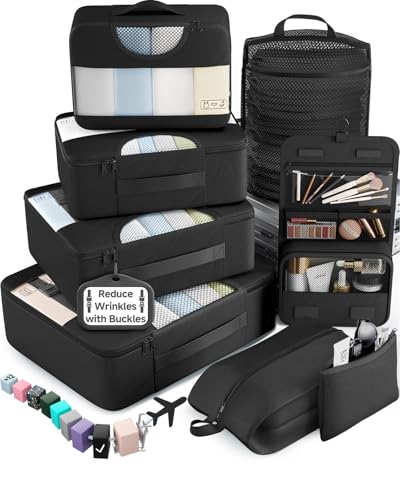
Travel essentials don’t stop at adapters. These extra items help you stay one step ahead while you’re on the move.


More About Massawa
Massawa, about 60 miles from Asmara, hits you with heat upon arrival—it’s clocked an average 86 °F year-round and is one of the hottest coastal cities out there. Once a major Red Sea port under Ottoman, Egyptian, and Italian rule, you can still spot Ottoman-era coral-block buildings, 15th-century mosques, and even a Bank of Italy palace.
The route down from Asmara is epic: a twisting 2,500 m descent through lush mountain scenery—ideal for travelers who appreciate dramatic landscapes. Arriving at sea level brings a real contrast—humid air, palms lining quiet streets, and a distinct ghost-town feel where only about 10% of old Massawa survived bombings.
Today, travelers soak in coastal life—walking the docks, exploring old Ottoman mosques, or heading out on scuba dives in the Dahlak Archipelago. The coral reefs spark marine life, and the city’s modest accommodation adds to the get-back-to-nature feel.
Massawa uses the same plugs and outlets as the rest of Eritrea.