
In Maseru, they use Type M power plugs and outlets. The voltage is 220V, and the frequency is 50Hz.
⚠️ So, you’ll need a travel adapter in Maseru. Their plugs and outlets are different from the Type A and B ones we use back in the States.
Quick Overview of the Plugs in Maseru:
- Plug type in Maseru: M
- Standard voltage: 220V
- Frequency: 50Hz
- Need a travel adapter? Yes, you do need a travel adapter
- Need a voltage converter? Could be needed, depending on the model
- Recommended plug adapter: Vintar Universal Travel Adapter Kit
Every piece of information here is confirmed with official electrical guidelines, IEC international standards, and firsthand insights from travelers worldwide.
Power Outlets in Maseru
In Maseru, they use Type M power plugs and outlets.
Type M

Type M outlets have three large round prongs like Type D but spaced farther apart, designed for high-power appliances, and only accept Type M plugs—Type C may fit, but it’s unsafe and not recommended.
The Only Travel Adapter You’ll Need in Maseru
Ever tried jamming your plug into a foreign outlet, hoping for a miracle? Yeah… doesn’t work. We don’t sell travel adapters, but we did the research to find the best one for Maseru—so you don’t have to. Here’s the winner:

Already traveling or at your destination with no power adapter? You can usually pick one up at the airport or in a local store. Still, bringing your own is a smarter move—it ensures compatibility and saves you from last-minute errands.
Maseru is often visited alongside South Africa, Eswatini, or Botswana. Be sure to check which adapters are needed.
Do You Need a Voltage Converter?
Planning a trip to Maseru? The voltage there doesn’t match the 120V we use in the U.S., so you’ll probably need a voltage converter.
To avoid electrical issues, always check the voltage specifications on your device’s label before heading abroad. If it reads “100-240V, 50/60 Hz”, your device is dual voltage and can handle both 120V and 220-240V without requiring a converter. Most laptops, tablets, cameras, and smartphones have this feature.

Which Travel Devices May Need a Converter?
Don’t want to guess which converter works? Here are the best-reviewed ones worth checking out.
| Device | Need Converter? | Notes |
|---|---|---|
| Phone | ❌ No (usually) | Most modern phone chargers are dual voltage (100–240V) |
| Laptop | ❌ No (usually) | Check the power brick label for 100–240V |
| Hairdryer | ✅ Yes (often) | High wattage; many models are not dual voltage |
| Electric toothbrush | ⚠️ Check voltage | Some models are 110V only |
| Camera / DSLR | ❌ No (usually) | Most chargers are dual voltage |
| Power bank | ❌ No | Charges via USB, adapter is enough |
| Electric shaver / trimmer | ⚠️ Check voltage | Older or cheaper models may not support 230V |
| Tablet / iPad | ❌ No | All models are dual voltage |
| Portable fan | ✅ Yes (sometimes) | Many models are not compatible with 230V |
| Game console | ⚠️ Check voltage | Newer consoles like PS5 and Xbox are often dual voltage — check to be sure |
| Bluetooth speaker | ❌ No (usually) | Charges via USB |
| E-reader (Kindle, etc.) | ❌ No | USB charging only, no converter needed |
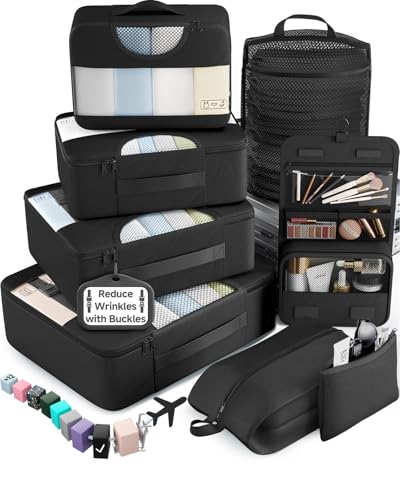
Top Travel Essentials to Pack
Travel essentials don’t stop at adapters. These extra items help you stay one step ahead while you’re on the move.


More About Maseru
Maseru is the capital and largest city of Lesotho, located at about 4,000 feet elevation in the highlands. It blends the look of a modern African capital—with malls, government buildings, and colonial-era architecture—with views over rolling mountain valleys. You’ll find the Royal Palace and state house, along with local markets selling Basotho blankets, crafts, and traditional textiles. The city is compact, walkable, and gives a real sense of daily life in the “Kingdom in the Sky.”
Just outside Maseru, you can arrange pony-trekking or day hikes into the Maloti Mountains, where Basotho villages, sandstone cliffs, and sweeping vistas await. The nearby rondavels (thatched houses) and homestays offer a cultural insight into traditional mountain life. Though Maseru feels urban, the pace remains gentle, and Lesotho’s small size means nature is always within reach. Whether you’re shopping local crafts or spotting highland vistas, Maseru feels rooted in both history and landscape.
For U.S. travelers, Maseru is an accessible entry point into Lesotho’s mountain kingdom. English is widely understood, and basic transport—taxis or shared minivans—makes getting around simple. Accommodations range from modest guesthouses to small hotels with scenic views. Maseru is practical, welcoming, and a solid base before heading into hiking trails, rural homesteads, or cultural festivals.
.