
In Malabo, they use Type C and E power plugs and outlets. The voltage is 220V, and the frequency is 50Hz.
⚠️ So, you’ll need a travel adapter in Malabo. Their plugs and outlets are different from the Type A and B ones we use back in the States.
Quick Overview of the Plugs in Malabo:
- Plug type in Malabo: C and E
- Standard voltage: 220V
- Frequency: 50Hz
- Need a travel adapter? Yes, you do need a travel adapter
- Need a voltage converter? Some devices need it, others don’t
- Recommended plug adapter: Vintar Universal Travel Adapter Kit
The information you see here is carefully compiled from official power authority guidelines, global IEC standards, and real traveler feedback from around the world.
Power Outlets in Malabo
In Malabo, they use Type C and E power plugs and outlets.
Type C

Type C outlets have two round prongs and no grounding pin. Type E and F plugs usually fit too, but grounded plugs will need an adapter.
Type E

Type E outlets have two round prongs and a grounding pin at the top. Type C and F plugs will also fit.
The Only Travel Adapter You’ll Need in Malabo
Imagine landing in Malabo, ready to charge your phone, and—bam—your plug doesn’t fit. Now what? We don’t sell travel adapters, but we’ve tested and researched the best one for Malabo, based on voltage, safety, and reliability. No stress, no dead battery—just plug in and go. Here’s our top pick:

Even if you forgot to pack a power adapter, you’re not out of luck. Most places sell them. That said, bringing one from home gives you peace of mind and avoids having to settle for a cheap or incompatible option.
Malabo is frequently combined with routes that also include Cameroon, Gabon, or Republic of the Congo. Check plug compatibility before traveling.
Do You Need a Voltage Converter?
Since Malabo has a different voltage than the U.S. (120V), you’ll probably need a voltage converter to keep your devices running smoothly.
Always verify the voltage rating on your device before packing it for a trip. If it reads “100-240V, 50/60 Hz”, it’s designed for international use and works with both 120V and 220-240V without needing a converter. Many phones, laptops, and rechargeable gadgets have this feature.

Which Travel Devices May Need a Converter?
Don’t want to guess which converter works? Here are the best-reviewed ones worth checking out.
| Device | Need Converter? | Notes |
|---|---|---|
| Phone | ❌ No (usually) | Most modern phone chargers are dual voltage (100–240V) |
| Laptop | ❌ No (usually) | Check the power brick label for 100–240V |
| Hairdryer | ✅ Yes (often) | High wattage; many models are not dual voltage |
| Electric toothbrush | ⚠️ Check voltage | Some models are 110V only |
| Camera / DSLR | ❌ No (usually) | Most chargers are dual voltage |
| Power bank | ❌ No | Charges via USB, adapter is enough |
| Electric shaver / trimmer | ⚠️ Check voltage | Older or cheaper models may not support 230V |
| Tablet / iPad | ❌ No | All models are dual voltage |
| Portable fan | ✅ Yes (sometimes) | Many models are not compatible with 230V |
| Game console | ⚠️ Check voltage | Newer consoles like PS5 and Xbox are often dual voltage — check to be sure |
| Bluetooth speaker | ❌ No (usually) | Charges via USB |
| E-reader (Kindle, etc.) | ❌ No | USB charging only, no converter needed |
Top Travel Essentials to Pack
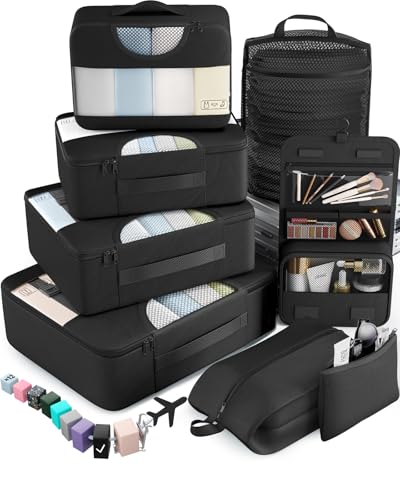
Once your adapter’s sorted, think about these extras. They can help you stay charged, avoid extra fees, and keep your bag in order.

Power Bank
No products found.
More About Malabo
Perched on Bioko Island off the Cameroonian coast, Malabo is one of the few capitals in the world located on an island. Think palm-lined promenades, pastel Spanish-colonial buildings, and volcanic hills hemming you in on all sides.
The city is small—around 300,000 people—so it feels breezy and manageable. Don’t miss the massive St. Elizabeth’s Cathedral (a neo-Gothic gem), the grand Spanish-influenced architecture, and a lively market scene where locals trade fish, cocoa, crafts, and tropical produce.
While it isn’t tourism-focused, Malabo has charm—quiet streets, a cultural center showing local art and music, casual cafés, and a ferry terminal that links you to jungle hikes, waterfalls, or beach escapes on Bioko. Navigating is easy; the scene is off the beaten path and welcoming.
Malabo uses the same plugs and outlets as the rest of Equatorial Guinea.