
In Lubango, they use Type C power plugs and outlets. The voltage is 220V, and the frequency is 50Hz.
⚠️ So, you’ll need a travel adapter in Lubango. Their plugs and outlets are different from the Type A and B ones we use back in the States.
Quick Overview of the Plugs in Lubango:
- Plug type in Lubango: C
- Standard voltage: 220V
- Frequency: 50Hz
- Need a travel adapter? Yes, you do need a travel adapter
- Need a voltage converter? It varies by device — check the label
- Recommended plug adapter: Vintar Universal Travel Adapter Kit
All details on this page are sourced from official power regulations, international standards like the IEC, and up-to-date feedback from travelers who’ve been there.
Power Outlets in Lubango
In Lubango, they use Type C power plugs and outlets.
Type C

Type C outlets have two round prongs and no grounding pin. Type E and F plugs usually fit too, but grounded plugs will need an adapter.
The Only Travel Adapter You’ll Need in Lubango
I’ve made the mistake before—landing in a new country and realizing my charger was useless. That’s why we did the legwork to find the best travel adapter for Lubango. We don’t sell them, but after checking voltage, safety, and reliability, this one is the clear winner:

Forgetting your power adapter isn’t ideal, but it’s not the end of the trip. Chances are, you’ll still find one nearby. Still, packing one in advance means you’re ready to plug in the moment you land.
Lubango travelers often extend their trip into Namibia, Zambia, or Democratic Republic of the Congo. Be sure to check plug types before you go.
Do You Need a Voltage Converter?
A voltage converter is likely needed in Lubango because your device must match the country’s voltage. The U.S. runs on 120V, but Lubango uses a different voltage, so a converter is necessary.
Always verify the voltage rating on your device before packing it for a trip. If it reads “100-240V, 50/60 Hz”, it’s designed for international use and works with both 120V and 220-240V without needing a converter. Many phones, laptops, and rechargeable gadgets have this feature.

Which Travel Devices May Need a Converter?
Need a reliable voltage converter? These are the top picks according to real reviews — check them out.
| Device | Need Converter? | Notes |
|---|---|---|
| Phone | ❌ No (usually) | Most modern phone chargers are dual voltage (100–240V) |
| Laptop | ❌ No (usually) | Check the power brick label for 100–240V |
| Hairdryer | ✅ Yes (often) | High wattage; many models are not dual voltage |
| Electric toothbrush | ⚠️ Check voltage | Some models are 110V only |
| Camera / DSLR | ❌ No (usually) | Most chargers are dual voltage |
| Power bank | ❌ No | Charges via USB, adapter is enough |
| Electric shaver / trimmer | ⚠️ Check voltage | Older or cheaper models may not support 230V |
| Tablet / iPad | ❌ No | All models are dual voltage |
| Portable fan | ✅ Yes (sometimes) | Many models are not compatible with 230V |
| Game console | ⚠️ Check voltage | Newer consoles like PS5 and Xbox are often dual voltage — check to be sure |
| Bluetooth speaker | ❌ No (usually) | Charges via USB |
| E-reader (Kindle, etc.) | ❌ No | USB charging only, no converter needed |
Top Travel Essentials to Pack
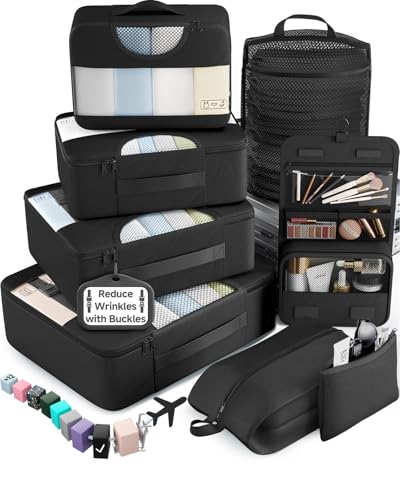
Beyond adapters, there are a few other smart additions that make travel easier. Here are some essentials worth packing.


More About Lubango
Lubango is high in Angola’s southern mountains, and it’s absolutely stunning. One of the biggest highlights is the Serra da Leba pass, a crazy winding mountain road that looks like it came straight out of a car commercial.
There’s also a huge statue of Christ the King overlooking the city, similar to the one in Rio. The views from the top are unreal—mountains in one direction, the city in the other, and open sky all around.
If you’re into hiking or photography, Tundavala Gap is a must. It’s a massive canyon with dramatic drop-offs and endless views. This is Angola’s scenic side at its finest.
Lubango uses the same plugs and outlets as the rest of Angola.