
In Lake Tanganyika, they use Type C and E power plugs and outlets. The voltage is 220V, and the frequency is 50Hz.
⚠️ So, you’ll need a travel adapter in Lake Tanganyika. Their plugs and outlets are different from the Type A and B ones we use back in the States.
Quick Overview of the Plugs in Lake Tanganyika:
- Plug type in Lake Tanganyika: C and E
- Standard voltage: 220V
- Frequency: 50Hz
- Need a travel adapter? Yes, you do need a travel adapter
- Need a voltage converter? Could be necessary for select devices
- Recommended plug adapter: Vintar Universal Travel Adapter Kit
All information on this page is carefully verified through official data from local electrical authorities, IEC international standards, and real-life input from travelers worldwide.
Power Outlets in Lake Tanganyika
In Lake Tanganyika, they use Type C and E power plugs and outlets.
Type C

Type C outlets have two round prongs and no grounding pin. Type E and F plugs usually fit too, but grounded plugs will need an adapter.
Type E

Type E outlets have two round prongs and a grounding pin at the top. Type C and F plugs will also fit.
The Only Travel Adapter You’ll Need in Lake Tanganyika
A dead phone or laptop abroad? No thanks. We don’t sell travel adapters, but we’ve done the research to find the best one for Lake Tanganyika—based on voltage, plug types, safety, and charging speed. This one is the top pick:

No adapter with you and already abroad? You’re not out of options—many airports and local shops sell them. Still, bringing your own is the easiest way to avoid overpaying or ending up with something that barely works.
Travelers going to Lake Tanganyika sometimes combine it with stops in Tanzania, Rwanda, or Democratic Republic of the Congo. It’s smart to double-check plug compatibility.
Do You Need a Voltage Converter?
Since Lake Tanganyika has a different voltage than the U.S. (120V), you’ll probably need a voltage converter to keep your devices running smoothly.
Always verify the power rating label on your device before plugging it in overseas. If it lists “100-240V, 50/60 Hz”, it’s built for global use and works on both 120V and 220-240V without needing a converter. Most modern electronics, like laptops, tablets, and cameras, support this.

Which Travel Devices May Need a Converter?
Looking for a solid voltage converter? These highly rated options are a good place to start.
| Device | Need Converter? | Notes |
|---|---|---|
| Phone | ❌ No (usually) | Most modern phone chargers are dual voltage (100–240V) |
| Laptop | ❌ No (usually) | Check the power brick label for 100–240V |
| Hairdryer | ✅ Yes (often) | High wattage; many models are not dual voltage |
| Electric toothbrush | ⚠️ Check voltage | Some models are 110V only |
| Camera / DSLR | ❌ No (usually) | Most chargers are dual voltage |
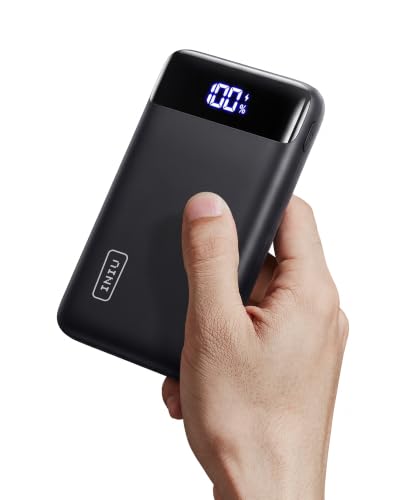
| Power bank | ❌ No | Charges via USB, adapter is enough |
| Electric shaver / trimmer | ⚠️ Check voltage | Older or cheaper models may not support 230V |
| Tablet / iPad | ❌ No | All models are dual voltage |
| Portable fan | ✅ Yes (sometimes) | Many models are not compatible with 230V |
| Game console | ⚠️ Check voltage | Newer consoles like PS5 and Xbox are often dual voltage — check to be sure |
| Bluetooth speaker | ❌ No (usually) | Charges via USB |
| E-reader (Kindle, etc.) | ❌ No | USB charging only, no converter needed |
Top Travel Essentials to Pack
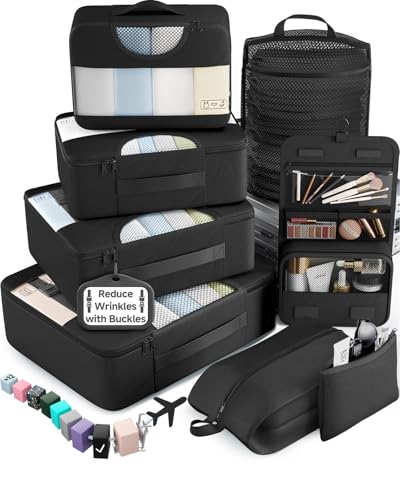
A few smart extras can make your trip a lot easier. They’re compact, useful, and often overlooked until you really need them.

More About Lake Tanganyika
Lake Tanganyika is no ordinary lake. It’s the world’s longest and second-deepest freshwater lake—holding around 17% of Earth’s fresh water. Its shores stretch across four countries, including Burundi, and the views are massive.
In Bujumbura, seaside vibes mix with mountain horizon views. You can hire boats, go fishing, like the locals do, or take guided safaris to spot hippos, crocs, and hundreds of colorful cichlid fish.
The lake’s scale makes the sights unforgettable. Between dramatic cliffs, tiny fishing villages, and wildlife splashing against the shoreline, it’s an outdoor lover’s paradise—pure, wide-open, and scenic.
Lake Tanganyika uses the same plugs and outlets as the rest of Burundi.