
In Laayoune, they use Type C and F power plugs and outlets. The voltage is 230V, and the frequency is 50Hz.
⚠️ So, you’ll need a travel adapter in Laayoune. Their plugs and outlets are different from the Type A and B ones we use back in the States.
Quick Overview of the Plugs in Laayoune:
- Plug type in Laayoune: C and F
- Standard voltage: 230V
- Frequency: 50Hz
- Need a travel adapter? Yes, you do need a travel adapter
- Need a voltage converter? Could be needed, depending on the model
- Recommended plug adapter: Vintar Universal Travel Adapter Kit
Every detail is cross-checked with official guidelines from local electrical authorities, international standards like the IEC, and practical feedback from travelers worldwide.
Power Outlets in Laayoune
In Laayoune, they use Type C and F power plugs and outlets.
Type C

Type C outlets have two round prongs and no grounding pin. Type E and F plugs usually fit too, but grounded plugs will need an adapter.
Type F

Type F outlets have two round prongs and grounding clips on the sides. Type C and E plugs will also fit.
The Only Travel Adapter You’ll Need in Laayoune
Choosing the wrong travel adapter can fry your devices—or worse, leave you without power. We don’t sell them, but we’ve tested and researched the best option for Laayoune, covering voltage, safety, price, charging speed, and durability. Here’s the best choice:

No power adapter and already abroad? You’ll likely be able to grab one at the airport or a shop nearby. Still, having your own from the start gives you more control and saves you the hassle of tracking one down after a long flight.
Laayoune travelers frequently explore Mauritania, Morocco, or Algeria. It’s wise to confirm plug compatibility.
Do You Need a Voltage Converter?
In Laayoune, the power supply operates on a different voltage than the U.S. standard of 120V, so a voltage converter is likely required for your devices to work properly.
Before traveling, always double-check your device’s voltage label. If it says “100-240V, 50/60 Hz”, your device is dual voltage and works worldwide without a converter. This includes most phones, laptops, tablets, cameras, and personal care devices.

Which Travel Devices May Need a Converter?
Want peace of mind while traveling? These top-rated voltage converters are a safe bet.
| Device | Need Converter? | Notes |
|---|---|---|
| Phone | ❌ No (usually) | Most modern phone chargers are dual voltage (100–240V) |
| Laptop | ❌ No (usually) | Check the power brick label for 100–240V |
| Hairdryer | ✅ Yes (often) | High wattage; many models are not dual voltage |
| Electric toothbrush | ⚠️ Check voltage | Some models are 110V only |
| Camera / DSLR | ❌ No (usually) | Most chargers are dual voltage |
| Power bank | ❌ No | Charges via USB, adapter is enough |
| Electric shaver / trimmer | ⚠️ Check voltage | Older or cheaper models may not support 230V |
| Tablet / iPad | ❌ No | All models are dual voltage |
| Portable fan | ✅ Yes (sometimes) | Many models are not compatible with 230V |
| Game console | ⚠️ Check voltage | Newer consoles like PS5 and Xbox are often dual voltage — check to be sure |
| Bluetooth speaker | ❌ No (usually) | Charges via USB |
| E-reader (Kindle, etc.) | ❌ No | USB charging only, no converter needed |
Top Travel Essentials to Pack
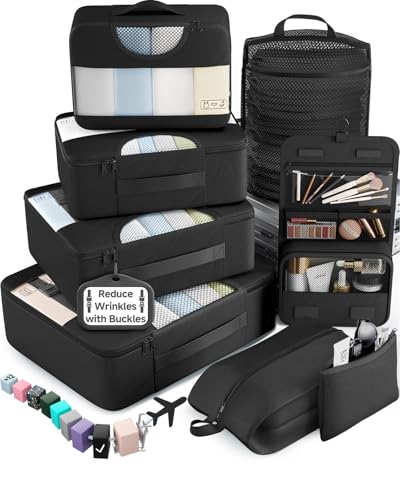
A few smart extras can make your trip a lot easier. They’re compact, useful, and often overlooked until you really need them.


More About Laayoune
Laayoune is the biggest city inside Western Sahara—and feels like a crossroads between desert life and growing urban energy. You’ve got sprawling palm groves and Saharan markets where locals trade spices, dates, and everyday goods—all set against new shopping centers and hotels popping up.
It’s a place where the Atlantic calls you to wander along sandy crescents or hit up Oum El Bouir beach for windsurfing and sunset views. The Sahara-Atlantic merge makes every stroll scenic—shifting dunes meet sea spray, desert meets city.
Local stories echo across the medina alleys, where you might catch a corner café serving sweet Sahrawi mint tea and thick camel-milk coffee. And if you’re curious about colonial history, there are Spanish-era churches, forts, and lighthouses to explore.
Laayoune uses the same plugs and outlets as the rest of Western Sahara.