
In Jost Van Dyke, they use Type A and B power plugs and outlets. The voltage is 110V, and the frequency is 60Hz.
✅ Good news! You won’t need a travel adapter in Jost Van Dyke. Their plugs and outlets are the same as our standard Type A and B back in the States.
Quick Overview of the Plugs in Jost Van Dyke:
- Plug type in Jost Van Dyke: A and B
- Standard voltage: 110V
- Frequency: 60Hz
- Need a travel adapter? No, you don’t need a travel adapter
- Need a voltage converter? No, you won’t need a converter here
We cross-check our information with official guidelines from local electrical authorities, international IEC standards, and reports from travelers worldwide.
Jost Van Dyke is often combined with trips to the U.S. Virgin Islands, Puerto Rico, or Saint Martin. Plug types may differ—worth checking ahead.
Power Outlets in Jost Van Dyke
In Jost Van Dyke, they use Type A and B power plugs and outlets.
Type A

Type A outlets have two flat prongs and no grounding pin.
Type B

Type B outlets have two flat prongs and a grounding pin. Type A plugs will also fit.
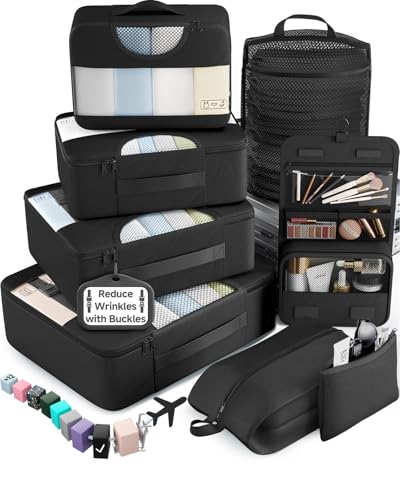
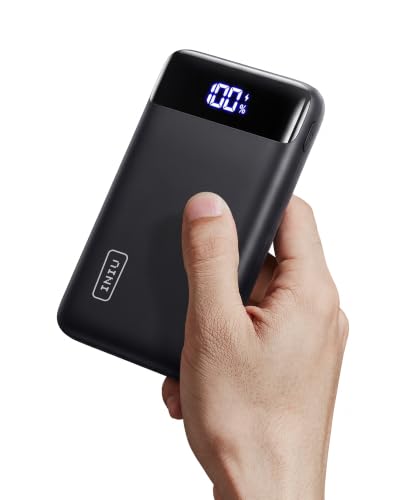
Top Travel Essentials to Pack
Whether it’s your first trip or your fiftieth, these small tools are worth having. They make all the difference when it counts.

Do You Need a Voltage Converter?
You’ll only need a voltage converter if your device’s voltage doesn’t match the country you’re visiting. In Jost Van Dyke, you won’t need one since the voltage is about the same as in the U.S.
Before using your electronics in another country, always check the voltage label to make sure it’s compatible. If it states “100-240V, 50/60 Hz”, your device can handle both 120V and 220-240V without needing a converter. Many modern gadgets, including laptops, tablets, and cameras, support this.

Which Travel Devices May Need a Converter?
Want to play it safe overseas? Take the “better-safe-than-sorry” route with a proven voltage converter—seasoned travelers rely on this top-rated model to guard their U.S. gear in 180+ countries.
Device Need Converter? Notes Phone ❌ No Most modern phone chargers are dual voltage (100–240V) Laptop ❌ No Check the power brick label for 100–240V Hairdryer ❌ No (usually) High wattage; many models are not dual voltage Electric toothbrush ❌ No Most models are 110V only Camera / DSLR ❌ No (usually) Most chargers are dual voltage Power bank ❌ No Charges via USB, adapter is enough Electric shaver / trimmer ❌ No Older or cheaper models may not support 230V Tablet / iPad ❌ No All models are dual voltage Portable fan ❌ No Many models are compatible with 110V Game console ⚠️ Check voltage Newer consoles like PS5 and Xbox are often dual voltage — check to be sure Bluetooth speaker ❌ No Charges via USB E-reader (Kindle, etc.) ❌ No USB charging only, no converter needed
More About Jost Van Dyke
Jost Van Dyke (or “JVD”) is the smallest of the four main BVI islands—only about 3 square miles—but don’t let that fool you. It’s rugged and hilly, with lush greenery and calm coves perfect for boats. You’ll likely land in Great Harbour, the main settlement, where island life feels friendly and laid-back.
The vibe here is chill meets fun: White Bay is a postcard-perfect stretch of powder sand and crystal water, famous for beach bars like the Soggy Dollar Bar (birthplace of the Painkiller cocktail). No torn flip-flops allowed—swim in, pay up, and chill out. At night, Foxy’s in Great Harbour turns into a dance party hotspot, especially around New Year’s.
History buffs and nature lovers get a kick out of JVD too. The island’s got pirate roots and Dutch privateer ties—it’s named after Joost van Dyk—and even some volcanic rock formations, hidden caves, and a rare black-sand cove. If you dig small‑town charm with a story and a splash of rum, this place delivers.
Jost Van Dyke uses the same plugs and outlets as the rest of the British Virgin Islands.