
In Jinja, they use Type G power plugs and outlets. The voltage is 240V, and the frequency is 50Hz.
⚠️ So, you’ll need a travel adapter in Jinja. Their plugs and outlets are different from the Type A and B ones we use back in the States.
Quick Overview of the Plugs in Jinja:
- Plug type in Jinja: G
- Standard voltage: 240V
- Frequency: 50Hz
- Need a travel adapter? Yes, you do need a travel adapter
- Need a voltage converter? Your device’s label tells the story
- Recommended plug adapter: One Beat Travel Plug Adapter
The details provided here come directly from local power authorities, international standards like the IEC, and practical feedback shared by travelers across the globe.
Power Outlets in Jinja
In Jinja, they use Type G power plugs and outlets.
Type G

Type G outlets have three rectangular prongs in a triangular layout and built-in fuses. Other plug types won’t fit without an adapter.
The Only Travel Adapter You’ll Need in Jinja
Imagine landing in Jinja only to find out your charger doesn’t fit. Not fun. We don’t sell travel adapters, but we’ve done the research to find the best one—safe, fast, and reliable. Here’s what you need:

If you’ve already left and don’t have a power adapter, no big deal—airports and shops usually have them. That said, packing one before you leave makes your arrival easier and gives you one less thing to think about.
Jinja is often included in routes that also pass through Kenya, Tanzania, or Rwanda. Don’t forget to confirm plug compatibility.
Do You Need a Voltage Converter?
If the voltage in Jinja doesn’t align with the 120V used in the U.S., you’ll need a converter to safely use your electronics.
To be on the safe side, always check the voltage label on your electronics before packing for a trip. If you see “100-240V, 50/60 Hz”, your device is safe to use internationally without a voltage converter. This is typical for laptops, tablets, smartphones, cameras, and rechargeable devices.

Which Travel Devices May Need a Converter?
Looking for a solid voltage converter? These highly rated options are a good place to start.
| Device | Need Converter? | Notes |
|---|---|---|
| Phone | ❌ No (usually) | Most modern phone chargers are dual voltage (100–240V) |
| Laptop | ❌ No (usually) | Check the power brick label for 100–240V |
| Hairdryer | ✅ Yes (often) | High wattage; many models are not dual voltage |
| Electric toothbrush | ⚠️ Check voltage | Some models are 110V only |
| Camera / DSLR | ❌ No (usually) | Most chargers are dual voltage |
| Power bank | ❌ No | Charges via USB, adapter is enough |
| Electric shaver / trimmer | ⚠️ Check voltage | Older or cheaper models may not support 230V |
| Tablet / iPad | ❌ No | All models are dual voltage |
| Portable fan | ✅ Yes (sometimes) | Many models are not compatible with 230V |
| Game console | ⚠️ Check voltage | Newer consoles like PS5 and Xbox are often dual voltage — check to be sure |
| Bluetooth speaker | ❌ No (usually) | Charges via USB |
| E-reader (Kindle, etc.) | ❌ No | USB charging only, no converter needed |
Top Travel Essentials to Pack
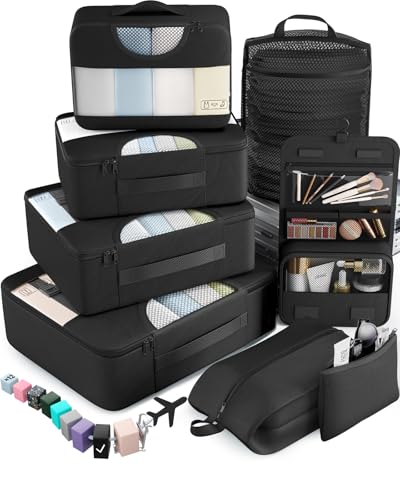
Once your adapter’s sorted, think about these extras. They can help you stay charged, avoid extra fees, and keep your bag in order.

Power Bank
No products found.
More About Jinja
Jinja sits about 50 miles east of Kampala on the northern shore of Lake Victoria—widely regarded as the adventure capital of East Africa. It’s famous as the starting point of the White Nile, and a favorite spot for thrill-seekers looking to raft, kayak or even bungee jump at Itanda Falls. The energy here feels different—less the big city, more adrenaline and river rhythms. It’s also home to the Nyege Nyege Festival, a lively celebration of African music and dance held nearby each year.
Beyond adventure, Jinja offers local depth: visit the massive Owen Falls Dam and see how Uganda gets much of its power. The town also has a history in sugar production thanks to Kakira Sugar Works, and even local beer brewed from Nile water at Nile Breweries. It’s a mashup of industrial heritage and natural beauty, all nestled within buzzing roadside markets and riverside cafés. The mix feels authentic and not touristy—exactly the kind of place that keeps you curious.
For American travelers, Jinja is easy to access from Kampala and serves up natural thrills without needing fancy gear. You can book a rafting trip or boat safari in half a day, enjoy river views over lunch, and still have time to explore local markets and historic sites. Lodging ranges from eco-lodges to small riverside guesthouses that are clean and affordable. It’s an ideal spot for those who crave adventure, authenticity, and small-town warmth in one flexible stop.
Jinja uses the same plugs and outlets as the rest of Uganda.