
In Harare, they use Type D and G power plugs and outlets. The voltage is 240V, and the frequency is 50Hz.
⚠️ So, you’ll need a travel adapter in Harare. Their plugs and outlets are different from the Type A and B ones we use back in the States.
Quick Overview of the Plugs in Harare:
- Plug type in Harare: D and G
- Standard voltage: 240V
- Frequency: 50Hz
- Need a travel adapter? Yes, you do need a travel adapter
- Need a voltage converter? Only necessary for specific appliances
- Recommended plug adapter: Vintar Universal Travel Adapter Kit
Our information is based on official power guidelines from each country, verified international IEC standards, and firsthand experiences from travelers across the world.
Power Outlets in Harare
In Harare, they use Type D and G power plugs and outlets.
Type D

Type D outlets have three large round prongs in a triangular layout and typically only accept Type D plugs, although Type C plugs might fit loosely and are not recommended for safe use.
Type G

Type G outlets have three rectangular prongs in a triangular layout and built-in fuses. Other plug types won’t fit without an adapter.
The Only Travel Adapter You’ll Need in Harare
Nothing kills the excitement of a trip faster than a dead phone or a broken charger. We don’t sell travel adapters, but we’ve handpicked the best one for Harare—ensuring it’s reliable, safe, and compatible with the local outlets. No surprises, no frustrations—just power when you need it. Check it out here:

If you’re already traveling or have reached your destination without a power adapter, it’s not a big deal. You’ll probably be able to find one. Still, having your own from the start makes everything just a bit easier and a lot less uncertain.
Harare travelers frequently explore Mozambique, Zambia, or Botswana. Check which type of outlet you’ll need.
Do You Need a Voltage Converter?
You’ll probably need a voltage converter in Harare since your device’s voltage has to match the local power supply. In the U.S., we use 120V, but Harare operates on a different voltage, so a converter is required.
Before using your electronics in another country, always check the voltage label to make sure it’s compatible. If it states “100-240V, 50/60 Hz”, your device can handle both 120V and 220-240V without needing a converter. Many modern gadgets, including laptops, tablets, and cameras, support this.

Which Travel Devices May Need a Converter?
Don’t want to guess which converter works? Here are the best-reviewed ones worth checking out.
| Device | Need Converter? | Notes |
|---|---|---|
| Phone | ❌ No (usually) | Most modern phone chargers are dual voltage (100–240V) |
| Laptop | ❌ No (usually) | Check the power brick label for 100–240V |
| Hairdryer | ✅ Yes (often) | High wattage; many models are not dual voltage |
| Electric toothbrush | ⚠️ Check voltage | Some models are 110V only |
| Camera / DSLR | ❌ No (usually) | Most chargers are dual voltage |
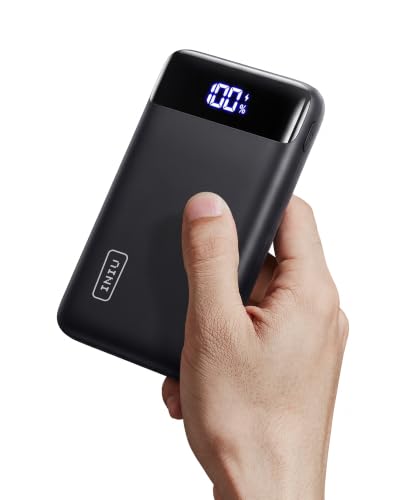
| Power bank | ❌ No | Charges via USB, adapter is enough |
| Electric shaver / trimmer | ⚠️ Check voltage | Older or cheaper models may not support 230V |
| Tablet / iPad | ❌ No | All models are dual voltage |
| Portable fan | ✅ Yes (sometimes) | Many models are not compatible with 230V |
| Game console | ⚠️ Check voltage | Newer consoles like PS5 and Xbox are often dual voltage — check to be sure |
| Bluetooth speaker | ❌ No (usually) | Charges via USB |
| E-reader (Kindle, etc.) | ❌ No | USB charging only, no converter needed |
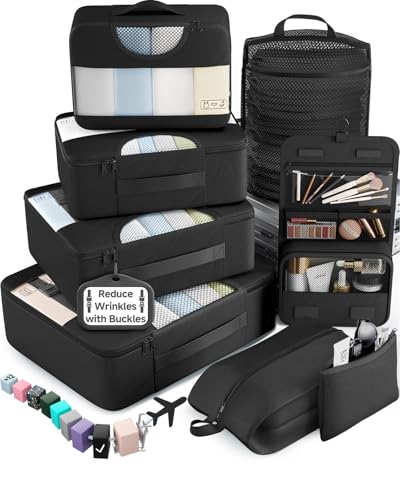
Top Travel Essentials to Pack
Some items are worth their spot in your bag. These travel-friendly tools are small, light, and surprisingly useful.

More About Harare
Harare might surprise you. It’s Zimbabwe’s capital and largest city, but it’s greener and calmer than most people expect. With jacaranda trees lining the streets and a growing arts and café scene, it’s a city that’s slowly shaking off old stereotypes.
You can catch local exhibitions at the National Gallery, pick up handmade goods at Avondale Market, or take a breather in the city’s beautiful gardens. Harare also has a lively nightlife, with rooftop bars, jazz clubs, and pop-up food events that keep things interesting.
While it’s mostly a business and political hub, Harare is worth a day or two—especially if you want a more modern take on Zimbabwean life. It’s a city that’s growing, changing, and finding its voice again.
Harare uses the same plugs and outlets as the rest of Zimbabwe.