
In Dili, they use Type C, E, F, and I power plugs and outlets. The voltage is 220V, and the frequency is 50Hz.
⚠️ So, you’ll need a travel adapter in Dili. Their plugs and outlets are different from the Type A and B ones we use back in the States.
Quick Overview of the Plugs in Dili:
- Plug type in Dili: C, E, F, and I
- Standard voltage: 220V
- Frequency: 50Hz
- Need a travel adapter? Yes, you do need a travel adapter
- Need a voltage converter? Device-specific — check before you pack
- Recommended plug adapter: Vintar Universal Travel Adapter Kit
This content is verified through local electrical regulations, international IEC standards, and practical input from travelers who’ve been there.
Power Outlets in Dili
In Dili, they use Type C, E, F, and I power plugs and outlets.
Type C

Type C outlets have two round prongs and no grounding pin. Type E and F plugs usually fit too, but grounded plugs will need an adapter.
Type E

Type E outlets have two round prongs and a grounding pin at the top. Type C and F plugs will also fit.
Type F

Type F outlets have two round prongs and grounding clips on the sides. Type C and E plugs will also fit.
Type I

Type I outlets have two flat prongs in a V-shape with a grounding pin and accept both grounded and ungrounded Type I plugs; some ungrounded Type A plugs may fit with an adapter, but grounding will be lost.
The Only Travel Adapter You’ll Need in Dili
I’ve made the mistake before—landing in a new country and realizing my charger was useless. That’s why we did the legwork to find the best travel adapter for Dili. We don’t sell them, but after checking voltage, safety, and reliability, this one is the clear winner:

No adapter with you and already abroad? You’re not out of options—many airports and local shops sell them. Still, bringing your own is the easiest way to avoid overpaying or ending up with something that barely works.
Dili is commonly paired with travel through Papua New Guinea, Indonesia, or Australia. Don’t forget to check plug types before packing.
Do You Need a Voltage Converter?
Since Dili has a different voltage than the U.S. (120V), you’ll probably need a voltage converter to keep your devices running smoothly.
To avoid electrical problems, always verify the voltage rating on your device before traveling. If it says “100-240V, 50/60 Hz”, your device will work in most places without a converter. This is common for phones, tablets, laptops, cameras, and rechargeable gadgets.

Which Travel Devices May Need a Converter?
Want peace of mind while traveling? These top-rated voltage converters are a safe bet.
| Device | Need Converter? | Notes |
|---|---|---|
| Phone | ❌ No (usually) | Most modern phone chargers are dual voltage (100–240V) |
| Laptop | ❌ No (usually) | Check the power brick label for 100–240V |
| Hairdryer | ✅ Yes (often) | High wattage; many models are not dual voltage |
| Electric toothbrush | ⚠️ Check voltage | Some models are 110V only |
| Camera / DSLR | ❌ No (usually) | Most chargers are dual voltage |
| Power bank | ❌ No | Charges via USB, adapter is enough |
| Electric shaver / trimmer | ⚠️ Check voltage | Older or cheaper models may not support 230V |
| Tablet / iPad | ❌ No | All models are dual voltage |
| Portable fan | ✅ Yes (sometimes) | Many models are not compatible with 230V |
| Game console | ⚠️ Check voltage | Newer consoles like PS5 and Xbox are often dual voltage — check to be sure |
| Bluetooth speaker | ❌ No (usually) | Charges via USB |
| E-reader (Kindle, etc.) | ❌ No | USB charging only, no converter needed |
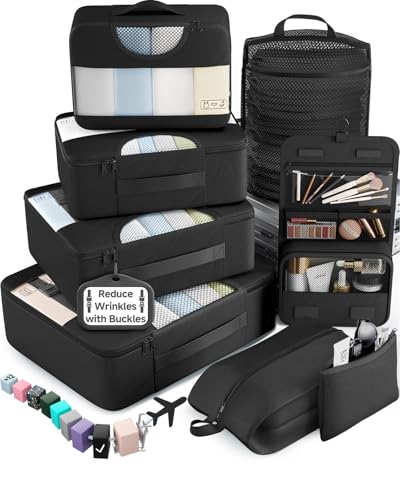
Top Travel Essentials to Pack
A good travel experience comes down to the small things. These smart additions can help you avoid last-minute stress and keep your trip on track.


More About Dili
Dili is the kind of capital city where things feel personal. It’s small, friendly, and right on the coast, so you’re never far from the ocean. You’ve got street food stalls, local cafés, Portuguese-style buildings, and the massive Cristo Rei statue watching over the city from the hills.
It’s a mix of old and new—colonial charm, new development, and daily life happening all at once. Walk along the waterfront, visit the Resistance Museum, or take a ferry to Atauro Island if you’re craving island time. It’s also where you’ll find the country’s best access to SIM cards, ATMs, and transportation.
Dili isn’t polished, and that’s kind of the point. It gives you a real look at life in Timor-Leste—resilient, welcoming, and still growing into its own identity. You’ll leave knowing more than just a place; you’ll feel like you’ve met a community.
Dili uses the same plugs and outlets as the rest of Timor-Leste.