
In Beirut, they use Type C, D, and G power plugs and outlets. The voltage is 230V, and the frequency is 50Hz.
⚠️ So, you’ll need a travel adapter in Beirut. Their plugs and outlets are different from the Type A and B ones we use back in the States.
Quick Overview of the Plugs in Beirut:
- Plug type in Beirut: C, D, and G
- Standard voltage: 230V
- Frequency: 50Hz
- Need a travel adapter? Yes, you do need a travel adapter
- Need a voltage converter? Could be necessary for select devices
- Recommended plug adapter: Vintar Universal Travel Adapter Kit
We’ve collected and double-checked this information using official power regulations from each country, global standards like the IEC, and firsthand experiences from travelers on the ground.
Power Outlets in Beirut
In Beirut, they use Type C, D, and G power plugs and outlets.
Type C

Type C outlets have two round prongs and no grounding pin. Type E and F plugs usually fit too, but grounded plugs will need an adapter.
Type D

Type D outlets have three large round prongs in a triangular layout and typically only accept Type D plugs, although Type C plugs might fit loosely and are not recommended for safe use.
Type G

Type G outlets have three rectangular prongs in a triangular layout and built-in fuses. Other plug types won’t fit without an adapter.
The Only Travel Adapter You’ll Need in Beirut
Want a hassle-free trip to Beirut? A reliable travel adapter is a must. We don’t sell them, but we’ve researched the safest, best-reviewed option for you. Check it out:

Forgot your power adapter and you’re already traveling? It’s not the end of the world—most airports and local stores sell them. But packing your own means you’re ready to go the moment you land, with no extra stops needed.
Beirut travelers often combine their trip with nearby countries like Syria, Israel, or Cyprus. Check which plugs you’ll need before you go.
Do You Need a Voltage Converter?
A voltage converter is likely needed in Beirut because your device must match the country’s voltage. The U.S. runs on 120V, but Beirut uses a different voltage, so a converter is necessary.
To be safe, always check the label on your electronics before you travel. If you see “100-240V, 50/60 Hz”, your device is compatible with multiple voltage systems and won’t need a converter. Most phones, laptops, tablets, cameras, and rechargeable toothbrushes have this capability.

Which Travel Devices May Need a Converter?
Not sure which voltage converter to get? Take a look at the best-rated ones right here.
| Device | Need Converter? | Notes |
|---|---|---|
| Phone | ❌ No (usually) | Most modern phone chargers are dual voltage (100–240V) |
| Laptop | ❌ No (usually) | Check the power brick label for 100–240V |
| Hairdryer | ✅ Yes (often) | High wattage; many models are not dual voltage |
| Electric toothbrush | ⚠️ Check voltage | Some models are 110V only |
| Camera / DSLR | ❌ No (usually) | Most chargers are dual voltage |
| Power bank | ❌ No | Charges via USB, adapter is enough |
| Electric shaver / trimmer | ⚠️ Check voltage | Older or cheaper models may not support 230V |
| Tablet / iPad | ❌ No | All models are dual voltage |
| Portable fan | ✅ Yes (sometimes) | Many models are not compatible with 230V |
| Game console | ⚠️ Check voltage | Newer consoles like PS5 and Xbox are often dual voltage — check to be sure |
| Bluetooth speaker | ❌ No (usually) | Charges via USB |
| E-reader (Kindle, etc.) | ❌ No | USB charging only, no converter needed |
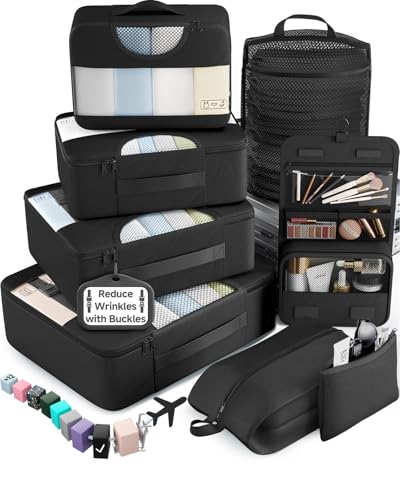
Top Travel Essentials to Pack
A good travel experience comes down to the small things. These smart additions can help you avoid last-minute stress and keep your trip on track.


More About Beirut
Beirut might just surprise you—once dubbed the “Paris of the Middle East,” it’s made a serious comeback with art, architecture, and nightlife. Walk the streets of Mar Mikhael or Achrafieh at dusk and you’ll find stylish cafés, street art, and cooks flipping manakish like afternoon snacks. It’s like NYC’s cool cousin—vibrant, edgy, and unapologetically alive.
The city has a hidden depth beyond the party scene. Venture into the National Museum to see Phoenician artifacts, then wander through the Roman Baths ruins, and you’ll realize how layered this place is. Locals speak English fluently, so chatting over a glass of arak or café blanc feels as easy as home—just with a Mediterranean breeze.
And yes, Beirut’s known for its nightlife—dive into an underground club or hit an all-night kebab joint after closing time like it’s second nature here. Yet it’s not just turn-up culture: every corner echoes stories—from cozy bookshops to indie galleries. There’s grit, glam, and culture in one city, wrapped in that unmistakable Levantine allure.
Beirut uses the same plugs and outlets as the rest of Lebanon.