
In Antigua and Barbuda, they use Type A and B power plugs and outlets. The voltage is 230V, and the frequency is 60Hz.
✅ Good news! You won’t need a travel adapter in Antigua and Barbuda. Their plugs and outlets are the same as our standard Type A and B back in the States.
Quick Overview of the Plugs in Antigua and Barbuda:
- Plug type in Antigua and Barbuda: A and B
- Standard voltage: 230V
- Frequency: 60Hz
- Need a travel adapter? No, you don’t need a travel adapter
- Need a voltage converter? Probably needed for some devices
All details on this page are verified using official electrical guidelines from each country, international standards like the IEC, and up-to-date insights from travelers who’ve been there.
Visiting not only Antigua and Barbuda? Travelers often combine it with Saint Kitts and Nevis, Saint Lucia, or Barbados. Each island might have different plug types, so plan ahead.
Power Outlets in Antigua and Barbuda
In Antigua and Barbuda, they use Type A and B power plugs and outlets.
Type A

Type A outlets have two flat prongs and no grounding pin.
Type B

Type B outlets have two flat prongs and a grounding pin. Type A plugs will also fit.
Top Travel Essentials to Pack
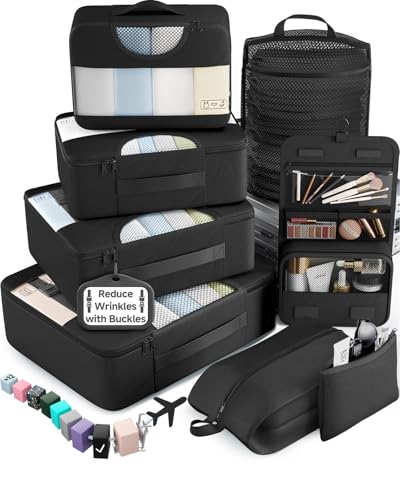
Once you’ve covered the basics, it’s time to think about the extras. These handy travel tools can save time, space, and frustration on the road.

Do You Need a Voltage Converter?
You’ll probably need a voltage converter in Antigua and Barbuda since your device’s voltage has to match the local power supply. In the U.S., we use 120V, but Antigua and Barbuda operates on a different voltage, so a converter is required.
Always check the power label on your device before using it abroad. If it lists “100-240V, 50/60 Hz”, your device is dual voltage and works with both 120V and 220-240V power sources without a converter. This applies to laptops, tablets, smartphones, cameras, and rechargeable toothbrushes.

Which Travel Devices May Need a Converter?
Better safe than stuck with a fried charger—slip this traveler-approved step-down converter into your bag and your electronics will handle voltage swings in 180-plus countries without a hitch.
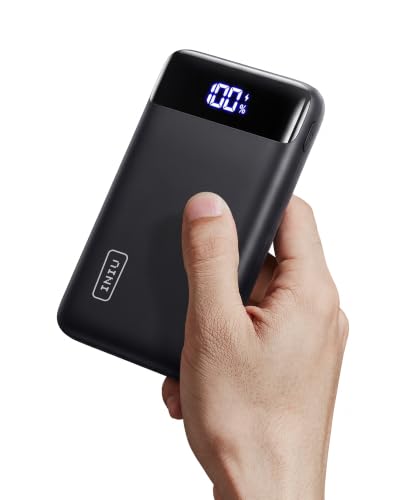
Device Need Converter? Notes Phone ❌ No (usually) Most modern phone chargers are dual voltage (100–240V) Laptop ❌ No (usually) Check the power brick label for 100–240V Hairdryer ✅ Yes (often) High wattage; many models are not dual voltage Electric toothbrush ⚠️ Check voltage Some models are 110V only Camera / DSLR ❌ No (usually) Most chargers are dual voltage Power bank ❌ No Charges via USB, adapter is enough Electric shaver / trimmer ⚠️ Check voltage Older or cheaper models may not support 230V Tablet / iPad ❌ No All models are dual voltage Portable fan ✅ Yes (sometimes) Many models are not compatible with 230V Game console ⚠️ Check voltage Newer consoles like PS5 and Xbox are often dual voltage — check to be sure Bluetooth speaker ❌ No (usually) Charges via USB E-reader (Kindle, etc.) ❌ No USB charging only, no converter needed
More About Antigua and Barbuda
Antigua claims to have 365 beaches—one for every day of the year—and honestly, that doesn’t even feel like an exaggeration. The sand is powdery white, the water is all shades of turquoise, and the pace of life is beautifully slow. Barbuda, Antigua’s smaller and quieter sister island, is famous for its pink sand beaches and massive frigatebird sanctuary. It’s more off-the-grid, perfect for a real escape. Fun fact: the two islands are only about 30 miles apart, but feel totally different. Antigua’s got the action, Barbuda brings the peace.
Top places to visit in Antigua and Barbuda: St. John’s, English Harbour, Jolly Harbour, and Falmouth.