
In Tripoli, they use Type C, D, F, and L power plugs and outlets. The voltage is 127/230V, and the frequency is 50Hz.
⚠️ So, you’ll need a travel adapter in Tripoli. Their plugs and outlets are different from the Type A and B ones we use back in the States.
Quick Overview of the Plugs in Tripoli (Libya):
- Plug type in Tripoli (Libya): C, D, F, and L
- Standard voltage: 127/230V
- Frequency: 50Hz
- Need a travel adapter? Yes, you do need a travel adapter
- Need a voltage converter? Most devices won’t need one — some might
- Recommended plug adapter: Vintar Universal Travel Adapter Kit
We rely on official power regulations, international IEC standards, and real-world traveler feedback to keep our information accurate and trustworthy.
Power Outlets in Tripoli (Libya)
In Tripoli, they use Type C, D, F, and L power plugs and outlets.
Type C

Type C outlets have two round prongs and no grounding pin. Type E and F plugs usually fit too, but grounded plugs will need an adapter.
Type D

Type D outlets have three large round prongs in a triangular layout and typically only accept Type D plugs, although Type C plugs might fit loosely and are not recommended for safe use.
Type F

Type F outlets have two round prongs and grounding clips on the sides. Type C and E plugs will also fit.
Type L

Type L outlets have three round prongs in a straight line and support different power ratings. Some Type C plugs may also fit.
The Only Travel Adapter You’ll Need in Tripoli (Libya)
I’ve been there—arriving in a new country and realizing my charger is useless. We don’t sell travel adapters, but we’ve done the hard work to find the best one for Tripoli. Safe, reliable, and built for the trip. Here it is:

No adapter in your bag? No big deal. You can usually find one after you arrive. Still, having your own ready to go is a small thing that makes a big difference on the road.
Tripoli travelers frequently combine their journey with destinations in Algeria, Tunisia, or Egypt. Always double-check plug compatibility in each country.
Do You Need a Voltage Converter?
If you’re traveling to Tripoli, you’ll probably need a voltage converter. The U.S. uses 120V, but the voltage in Tripoli is different, meaning your electronics won’t work safely without one.
Always make sure to check the input voltage label on your device before using it overseas. If it states “100-240V, 50/60 Hz”, your device supports multiple power systems and won’t need a converter. Most phones, laptops, tablets, and personal care electronics fall into this category.

Which Travel Devices May Need a Converter?
Don’t want to guess which converter works? Here are the best-reviewed ones worth checking out.
| Device | Need Converter? | Notes |
|---|---|---|
| Phone | ❌ No (usually) | Most modern phone chargers are dual voltage (100–240V) |
| Laptop | ❌ No (usually) | Check the power brick label for 100–240V |
| Hairdryer | ✅ Yes (often) | High wattage; many models are not dual voltage |
| Electric toothbrush | ⚠️ Check voltage | Some models are 110V only |
| Camera / DSLR | ❌ No (usually) | Most chargers are dual voltage |
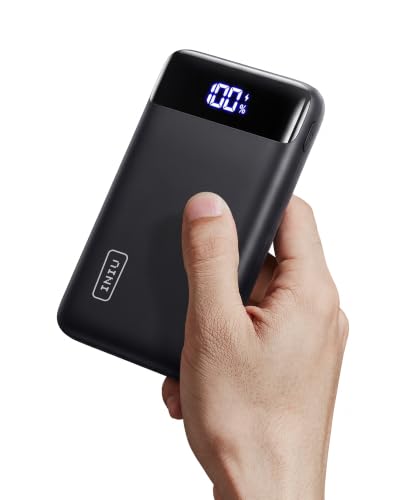
| Power bank | ❌ No | Charges via USB, adapter is enough |
| Electric shaver / trimmer | ⚠️ Check voltage | Older or cheaper models may not support 230V |
| Tablet / iPad | ❌ No | All models are dual voltage |
| Portable fan | ✅ Yes (sometimes) | Many models are not compatible with 230V |
| Game console | ⚠️ Check voltage | Newer consoles like PS5 and Xbox are often dual voltage — check to be sure |
| Bluetooth speaker | ❌ No (usually) | Charges via USB |
| E-reader (Kindle, etc.) | ❌ No | USB charging only, no converter needed |
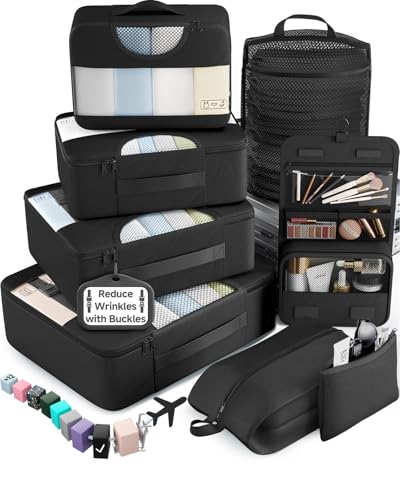
Top Travel Essentials to Pack
With the basics covered, these are the extras that seasoned travelers always bring along. Simple tools that do a lot.

More About Tripoli (Libya)
Tripoli is the capital of Libya and its biggest city, hugging the Mediterranean coastline in the northwest. It’s where ancient meets modern—Roman ruins, Ottoman mosques, and colonial architecture all blend together in a surprisingly chill seaside setting. The old medina? A maze of alleys, arches, and shops where time moves a little slower.
What makes Tripoli special is its atmosphere. Locals hang out at street cafés sipping mint tea, the waterfront promenade comes alive at night, and the Red Castle (As-Saraya al-Hamra) dominates the skyline with serious historical weight. The city feels lived-in, layered, and deeply connected to its past.
But like the rest of Libya, Tripoli isn’t without risk. Political instability means security conditions can change fast. That said, with the right local guidance and common sense, some visitors still make the trip to explore its culture, architecture, and coast. It’s not a typical vacation spot—but it’s real.
Tripoli uses the same plugs and outlets as the rest of Libya.