
In Moshi, they use Type D and G power plugs and outlets. The voltage is 230V, and the frequency is 50Hz.
⚠️ So, you’ll need a travel adapter in Moshi. Their plugs and outlets are different from the Type A and B ones we use back in the States.
Quick Overview of the Plugs in Moshi:
- Plug type in Moshi: D and G
- Standard voltage: 230V
- Frequency: 50Hz
- Need a travel adapter? Yes, you do need a travel adapter
- Need a voltage converter? It all comes down to your specific device
- Recommended plug adapter: Vintar Universal Travel Adapter Kit
Every piece of information here is confirmed with official electrical guidelines, IEC international standards, and firsthand insights from travelers worldwide.
Power Outlets in Moshi
In Moshi, they use Type D and G power plugs and outlets.
Type D

Type D outlets have three large round prongs in a triangular layout and typically only accept Type D plugs, although Type C plugs might fit loosely and are not recommended for safe use.
Type G

Type G outlets have three rectangular prongs in a triangular layout and built-in fuses. Other plug types won’t fit without an adapter.
The Only Travel Adapter You’ll Need in Moshi
Don’t let the wrong adapter ruin your trip. We don’t sell them, but we’ve done all the research to find the best one for Moshi—so you can charge up stress-free. Here’s the one we recommend:


If you’re already on the road or at your destination without a power adapter, no stress—you can usually find one nearby. Still, bringing your own means you’re prepared from the moment you land, with no guesswork or hunting around.
Moshi is commonly visited with routes through Rwanda, Uganda, or Kenya. Check in advance what adapter is required.
Do You Need a Voltage Converter?
Your electronics must match the voltage of the country you’re visiting, and in Moshi, the voltage is different from the 120V we use in the U.S. That means you’ll probably need a converter.
Always check the label on your device before plugging it in abroad. If it shows “100-240V, 50/60 Hz”, your device supports both 120V and 220-240V and doesn’t need a voltage converter. This is common for laptops, tablets, smartphones, cameras, and rechargeable toothbrushes.

Which Travel Devices May Need a Converter?
Looking for a solid voltage converter? These highly rated options are a good place to start.
| Device | Need Converter? | Notes |
|---|---|---|
| Phone | ❌ No (usually) | Most modern phone chargers are dual voltage (100–240V) |
| Laptop | ❌ No (usually) | Check the power brick label for 100–240V |
| Hairdryer | ✅ Yes (often) | High wattage; many models are not dual voltage |
| Electric toothbrush | ⚠️ Check voltage | Some models are 110V only |
| Camera / DSLR | ❌ No (usually) | Most chargers are dual voltage |
| Power bank | ❌ No | Charges via USB, adapter is enough |
| Electric shaver / trimmer | ⚠️ Check voltage | Older or cheaper models may not support 230V |
| Tablet / iPad | ❌ No | All models are dual voltage |
| Portable fan | ✅ Yes (sometimes) | Many models are not compatible with 230V |
| Game console | ⚠️ Check voltage | Newer consoles like PS5 and Xbox are often dual voltage — check to be sure |
| Bluetooth speaker | ❌ No (usually) | Charges via USB |
| E-reader (Kindle, etc.) | ❌ No | USB charging only, no converter needed |
Top Travel Essentials to Pack
It’s often the little things that make travel smoother. These essentials are easy to pack—and even easier to appreciate once you’re abroad.

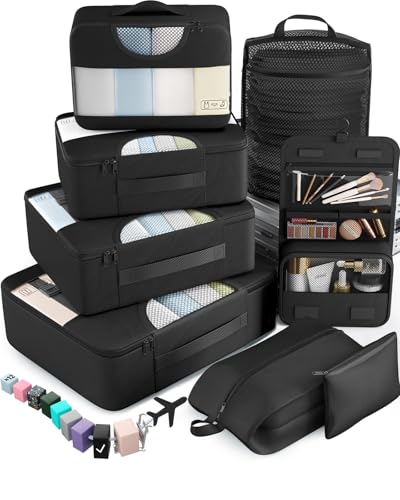
Power Bank
No products found.
More About Moshi
Moshi is all about Mount Kilimanjaro. This small city sits right at the base of Africa’s tallest mountain and is the starting point for nearly every trek up to the summit. But even if you’re not climbing, it’s worth sticking around for a few days to enjoy the view and the chill atmosphere.
There’s a strong coffee-growing culture here, and you can tour local farms, try fresh beans, or just hang out in one of the town’s cozy cafés. Day hikes to waterfalls or bike rides through banana plantations are easy to arrange, and the nearby hot springs are a fun half-day trip.
Moshi moves at its own pace. It’s not flashy, but it’s friendly, affordable, and framed by Kilimanjaro in the distance. Great place to unwind—or gear up—depending on your itinerary.
Moshi uses the same plugs and outlets as the rest of Tanzania.