
In Abidjan, they use Type C and E power plugs and outlets. The voltage is 220V, and the frequency is 50Hz.
⚠️ So, you’ll need a travel adapter in Abidjan. Their plugs and outlets are different from the Type A and B ones we use back in the States.
Quick Overview of the Plugs in Abidjan:
- Plug type in Abidjan: C and E
- Standard voltage: 220V
- Frequency: 50Hz
- Need a travel adapter? Yes, you do need a travel adapter
- Need a voltage converter? May be required for certain electronics
- Recommended plug adapter: Vintar Universal Travel Adapter Kit
We’ve collected and double-checked this information using official power regulations from each country, global standards like the IEC, and firsthand experiences from travelers on the ground.
Power Outlets in Abidjan
In Abidjan, they use Type C and E power plugs and outlets.
Type C

Type C outlets have two round prongs and no grounding pin. Type E and F plugs usually fit too, but grounded plugs will need an adapter.
Type E

Type E outlets have two round prongs and a grounding pin at the top. Type C and F plugs will also fit.
The Only Travel Adapter You’ll Need in Abidjan
Traveling to Abidjan? You’ll need the right adapter to keep your devices powered up. We don’t sell them, but we’ve done the research so you don’t have to. Here’s the best one:

Already on the road or just arrived and forgot your power adapter? It happens. Luckily, airports and local shops often carry basic ones. Still, packing one ahead of time saves you the hassle and guarantees you’ve got one that works for your needs.
Abidjan is often visited alongside countries like Ghana, Liberia, or Burkina Faso. Plug types can vary between borders.
Do You Need a Voltage Converter?
You’ll probably need a voltage converter in Abidjan since your device’s voltage has to match the local power supply. In the U.S., we use 120V, but Abidjan operates on a different voltage, so a converter is required.
Before using your electronics in another country, always check the voltage label to make sure it’s compatible. If it states “100-240V, 50/60 Hz”, your device can handle both 120V and 220-240V without needing a converter. Many modern gadgets, including laptops, tablets, and cameras, support this.

Which Travel Devices May Need a Converter?
Play it safe with your electronics — browse the most trusted voltage converters here.
| Device | Need Converter? | Notes |
|---|---|---|
| Phone | ❌ No (usually) | Most modern phone chargers are dual voltage (100–240V) |
| Laptop | ❌ No (usually) | Check the power brick label for 100–240V |
| Hairdryer | ✅ Yes (often) | High wattage; many models are not dual voltage |
| Electric toothbrush | ⚠️ Check voltage | Some models are 110V only |
| Camera / DSLR | ❌ No (usually) | Most chargers are dual voltage |
| Power bank | ❌ No | Charges via USB, adapter is enough |
| Electric shaver / trimmer | ⚠️ Check voltage | Older or cheaper models may not support 230V |
| Tablet / iPad | ❌ No | All models are dual voltage |
| Portable fan | ✅ Yes (sometimes) | Many models are not compatible with 230V |
| Game console | ⚠️ Check voltage | Newer consoles like PS5 and Xbox are often dual voltage — check to be sure |
| Bluetooth speaker | ❌ No (usually) | Charges via USB |
| E-reader (Kindle, etc.) | ❌ No | USB charging only, no converter needed |
Top Travel Essentials to Pack
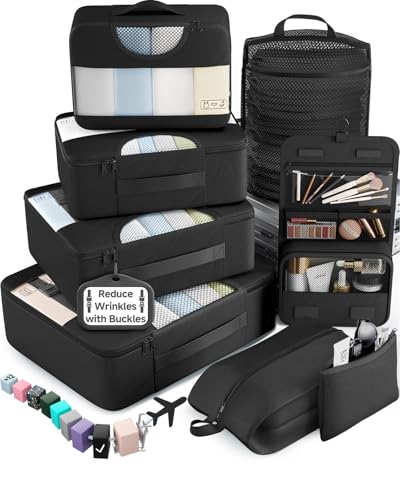
Once you’ve covered the basics, it’s time to think about the extras. These handy travel tools can save time, space, and frustration on the road.


More About Abidjan
Abidjan is Central West Africa’s powerhouse—Ivory Coast’s economic hub and one of the world’s biggest French-speaking cities (behind Paris and Kinshasa). It pulses with energy, tall skyline, and bold modern vibe.
The Plateau district used to frown on street art, but now it’s alive with murals—part of the Ivory Graff Festival that transformed walls into 300 meters of public art. That cultural pivot says a lot about the city’s creative soul.
Don’t miss St Paul’s Cathedral: a modern structure completed in the mid-1980s, built to hold 5,000 people and offering sweeping views from its perch near the lagoon. And at night, Rue Princesse in Yopougon turns into a celebration hotspot with maquis, live music, and local flair.
Abidjan uses the same plugs and outlets as the rest of Ivory Coast.