
In Gobi Desert, they use Type C and E power plugs and outlets. The voltage is 230V, and the frequency is 50Hz.
⚠️ So, you’ll need a travel adapter in Gobi Desert. Their plugs and outlets are different from the Type A and B ones we use back in the States.
Quick Overview of the Plugs in Gobi Desert:
- Plug type in Gobi Desert: C and E
- Standard voltage: 230V
- Frequency: 50Hz
- Need a travel adapter? Yes, you do need a travel adapter
- Need a voltage converter? May be required for certain electronics
- Recommended plug adapter: Vintar Universal Travel Adapter Kit
All details are checked against official power guidelines, IEC standards, and real-world input from travelers who’ve been there recently.
Power Outlets in Gobi Desert
In Gobi Desert, they use Type C and E power plugs and outlets.
Type C

Type C outlets have two round prongs and no grounding pin. Type E and F plugs usually fit too, but grounded plugs will need an adapter.
Type E

Type E outlets have two round prongs and a grounding pin at the top. Type C and F plugs will also fit.
The Only Travel Adapter You’ll Need in Gobi Desert
Not all travel adapters work in Gobi Desert. Pick the wrong one, and your devices might not charge at all. We don’t sell them, but we’ve researched the best one for you—safe, durable, and easy to use:

If you’re already en route or at your destination and don’t have a power adapter, there’s usually no need to panic. You’ll likely find one nearby. But bringing your own next time saves you the hassle.
Trips to the Gobi Desert are often combined with visits to nearby countries like China, Kazakhstan, or Russia. Be sure to check plug types before crossing borders.
Do You Need a Voltage Converter?
Before plugging in your electronics in Gobi Desert, check the voltage. It’s different from the 120V used in the U.S., so you’ll likely need a converter.
Always check the label on your device before plugging it in abroad. If it shows “100-240V, 50/60 Hz”, your device supports both 120V and 220-240V and doesn’t need a voltage converter. This is common for laptops, tablets, smartphones, cameras, and rechargeable toothbrushes.

Which Travel Devices May Need a Converter?
Looking for a solid voltage converter? These highly rated options are a good place to start.
| Device | Need Converter? | Notes |
|---|---|---|
| Phone | ❌ No (usually) | Most modern phone chargers are dual voltage (100–240V) |
| Laptop | ❌ No (usually) | Check the power brick label for 100–240V |
| Hairdryer | ✅ Yes (often) | High wattage; many models are not dual voltage |
| Electric toothbrush | ⚠️ Check voltage | Some models are 110V only |
| Camera / DSLR | ❌ No (usually) | Most chargers are dual voltage |
| Power bank | ❌ No | Charges via USB, adapter is enough |
| Electric shaver / trimmer | ⚠️ Check voltage | Older or cheaper models may not support 230V |
| Tablet / iPad | ❌ No | All models are dual voltage |
| Portable fan | ✅ Yes (sometimes) | Many models are not compatible with 230V |
| Game console | ⚠️ Check voltage | Newer consoles like PS5 and Xbox are often dual voltage — check to be sure |
| Bluetooth speaker | ❌ No (usually) | Charges via USB |
| E-reader (Kindle, etc.) | ❌ No | USB charging only, no converter needed |
Top Travel Essentials to Pack
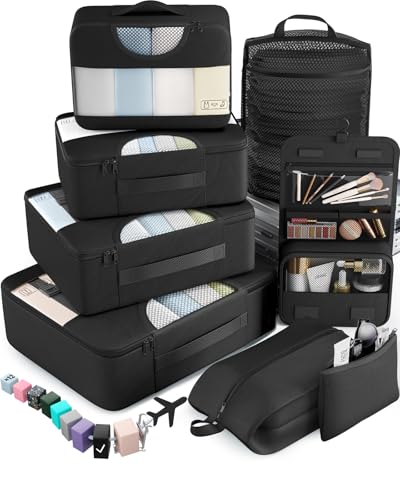
Some items are worth their spot in your bag. These travel-friendly tools are small, light, and surprisingly useful.

Power Bank
No products found.
More About Gobi Desert
The Gobi Desert is massive—about 500,000 mi² (1.3 million km²), making it the 5th or 6th largest desert worldwide and even bigger than the UK, Spain, or Peru. It’s deceptively varied: only around 5% is sandy dunes, the rest is rocky canyons, grasslands, salt flats, and red cliffs.
This desert swings between extremes—summer temps can hit 110°F, winter dips to –40°F. You might even spot snow-capped dunes or frozen lakes in the heart of summer. It’s also a fossil goldmine—think dinosaur eggs at the Flaming Cliffs and vast paleontological digs that still uncover ancient treasures today.
Expect dusty isolation—and the ride’s half the adventure. Locals drive camels, horses, jeeps, even motorcycles across the wide-open, and you’ll camp under stars in a traditional ger. Despite rough roads and frantic dust storms, it’s brutally beautiful and impossibly wild.
Gobi Desert uses the same plugs and outlets as the rest of Mongolia.