
In Luanda, they use Type C power plugs and outlets. The voltage is 220V, and the frequency is 50Hz.
⚠️ So, you’ll need a travel adapter in Luanda. Their plugs and outlets are different from the Type A and B ones we use back in the States.
Quick Overview of the Plugs in Luanda:
- Plug type in Luanda: C
- Standard voltage: 220V
- Frequency: 50Hz
- Need a travel adapter? Yes, you do need a travel adapter
- Need a voltage converter? Likely needed for a few devices
- Recommended plug adapter: Vintar Universal Travel Adapter Kit
We’ve verified this information using official data from local power authorities, global IEC standards, and real-world experiences shared by travelers.
Power Outlets in Luanda
In Luanda, they use Type C power plugs and outlets.
Type C

Type C outlets have two round prongs and no grounding pin. Type E and F plugs usually fit too, but grounded plugs will need an adapter.
The Only Travel Adapter You’ll Need in Luanda
Not all travel adapters are created equal, and picking the wrong one can be a costly mistake. We don’t sell them, but we’ve carefully tested and compared the best options for Luanda—looking at voltage, safety, outlet compatibility, and charging speed. This one is our top choice:

Even if you forgot to pack a power adapter, you’re not out of luck. Most places sell them. That said, bringing one from home gives you peace of mind and avoids having to settle for a cheap or incompatible option.
Luanda is a common stop on routes that include Democratic Republic of the Congo, Zambia, or Namibia. It’s smart to check outlet compatibility.
Do You Need a Voltage Converter?
Planning a trip to Luanda? The voltage there doesn’t match the 120V we use in the U.S., so you’ll probably need a voltage converter.
Before traveling, always double-check your device’s voltage label. If it says “100-240V, 50/60 Hz”, your device is dual voltage and works worldwide without a converter. This includes most phones, laptops, tablets, cameras, and personal care devices.

Which Travel Devices May Need a Converter?
Don’t want to guess which converter works? Here are the best-reviewed ones worth checking out.
| Device | Need Converter? | Notes |
|---|---|---|
| Phone | ❌ No (usually) | Most modern phone chargers are dual voltage (100–240V) |
| Laptop | ❌ No (usually) | Check the power brick label for 100–240V |
| Hairdryer | ✅ Yes (often) | High wattage; many models are not dual voltage |
| Electric toothbrush | ⚠️ Check voltage | Some models are 110V only |
| Camera / DSLR | ❌ No (usually) | Most chargers are dual voltage |
| Power bank | ❌ No | Charges via USB, adapter is enough |
| Electric shaver / trimmer | ⚠️ Check voltage | Older or cheaper models may not support 230V |
| Tablet / iPad | ❌ No | All models are dual voltage |
| Portable fan | ✅ Yes (sometimes) | Many models are not compatible with 230V |
| Game console | ⚠️ Check voltage | Newer consoles like PS5 and Xbox are often dual voltage — check to be sure |
| Bluetooth speaker | ❌ No (usually) | Charges via USB |
| E-reader (Kindle, etc.) | ❌ No | USB charging only, no converter needed |
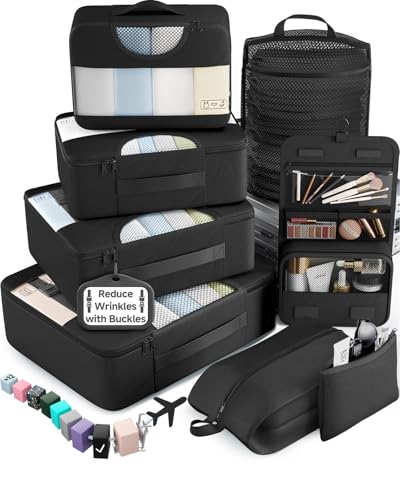
Top Travel Essentials to Pack
A good adapter is just the start. These other essentials help round out your packing list and keep things running smoothly.


More About Luanda
Luanda is one of the most expensive cities in the world, which catches a lot of travelers off guard. But once you get past the price tags, there’s an energetic, no-nonsense vibe that makes it worth the trip.
The city is a mix of shiny high-rises, crumbling colonial facades, and wide-open Atlantic views. You’ll find beachfront bars, open-air markets, and a nightlife scene that starts late and ends even later.
Luanda has its contrasts: business suits and flip-flops, gourmet sushi and grilled fish on the beach. It’s bold, bustling, and unapologetically itself.
Luanda uses the same plugs and outlets as the rest of Angola.