
In Hong Kong, they use Type G power plugs and outlets. The voltage is 220V, and the frequency is 50Hz.
⚠️ So, you’ll need a travel adapter in Hong Kong. Their plugs and outlets are different from the Type A and B ones we use back in the States.
Quick Overview of the Plugs in Hong Kong:
- Plug type in Hong Kong: G
- Standard voltage: 220V
- Frequency: 50Hz
- Need a travel adapter? Yes, you do need a travel adapter
- Need a voltage converter? Most devices won’t need one — some might
- Recommended plug adapter: One Beat Travel Plug Adapter
This page pulls data directly from local electrical authorities, global standards such as the IEC, and firsthand experiences shared by travelers.
Power Outlets in Hong Kong
In Hong Kong, they use Type G power plugs and outlets.
Type G

Type G outlets have three rectangular prongs in a triangular layout and built-in fuses. Other plug types won’t fit without an adapter.
The Only Travel Adapter You’ll Need in Hong Kong
Nothing is worse than running out of battery in Hong Kong with the wrong adapter. We don’t sell them, but we’ve found the most reliable one—so you never have to worry about charging again:

If you’re already traveling or have reached your destination without a power adapter, it’s not a big deal. You’ll probably be able to find one. Still, having your own from the start makes everything just a bit easier and a lot less uncertain.
People visiting Hong Kong often continue on to China, Vietnam, and Macao. It’s smart to check what type of plug each place uses.
Do You Need a Voltage Converter?
Your electronics must match the voltage of the country you’re visiting, and in Hong Kong, the voltage is different from the 120V we use in the U.S. That means you’ll probably need a converter.
Always check the label on your device before plugging it in abroad. If it shows “100-240V, 50/60 Hz”, your device supports both 120V and 220-240V and doesn’t need a voltage converter. This is common for laptops, tablets, smartphones, cameras, and rechargeable toothbrushes.

Which Travel Devices May Need a Converter?
Don’t want to guess which converter works? Here are the best-reviewed ones worth checking out.
| Device | Need Converter? | Notes |
|---|---|---|
| Phone | ❌ No (usually) | Most modern phone chargers are dual voltage (100–240V) |
| Laptop | ❌ No (usually) | Check the power brick label for 100–240V |
| Hairdryer | ✅ Yes (often) | High wattage; many models are not dual voltage |
| Electric toothbrush | ⚠️ Check voltage | Some models are 110V only |
| Camera / DSLR | ❌ No (usually) | Most chargers are dual voltage |
| Power bank | ❌ No | Charges via USB, adapter is enough |
| Electric shaver / trimmer | ⚠️ Check voltage | Older or cheaper models may not support 230V |
| Tablet / iPad | ❌ No | All models are dual voltage |
| Portable fan | ✅ Yes (sometimes) | Many models are not compatible with 230V |
| Game console | ⚠️ Check voltage | Newer consoles like PS5 and Xbox are often dual voltage — check to be sure |
| Bluetooth speaker | ❌ No (usually) | Charges via USB |
| E-reader (Kindle, etc.) | ❌ No | USB charging only, no converter needed |
Top Travel Essentials to Pack
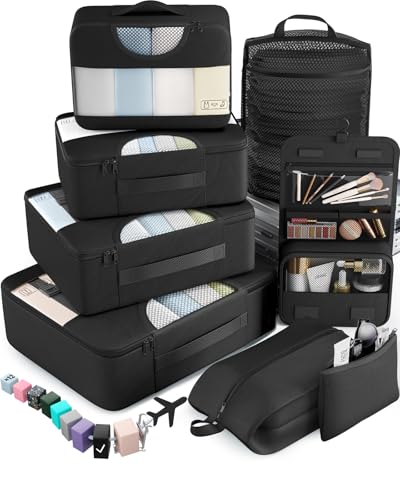
Having the right gear can mean the difference between smooth travel and avoidable hassle. These are worth packing.


More About Hong Kong
Hong Kong is a mosaic of over 260 islands, with 7.5 million people living in just over 1,100 square kilometers—making it one of the most densely populated places on earth. It blends East and West seamlessly in everything from breakfast dim sum to colonial architecture, Cantonese opera to rooftop cocktail bars. Public transport is world-class: over 90% of daily trips happen via MTR trains, trams, ferries, buses, or escalators, easily accessed with a reloadable Octopus card.
The city is more than just skyscrapers. You can hike lush trails like Dragon’s Back, soak up skyline views from Victoria Peak, and ride a century-old tram through North Point or Causeway Bay. Culture runs deep—from street markets to Taoist temples, from global art centers like M+ to heritage hubs like Tai Kwun. Add Michelin-star street food, jazz clubs, and riverfront dining, and you’ve got unexpected depth around every corner.
For American visitors, Hong Kong balances convenience with curiosity. English is everywhere, mobile Wi-Fi and easy transport make it a breeze, and there’s cultural variety wherever you turn. Whether your trip is about food, architecture, shopping, hiking, or harbor views, Hong Kong delivers place after place worth exploring. It’s vibrant, efficient, and full of character even after decades of global change.
Top places to visit in Hong Kong: Hong Kong Island, Kowloon, and Lantau Island.